The Radion Blog
Guides, tips and updates to get the most out of your gaming life.
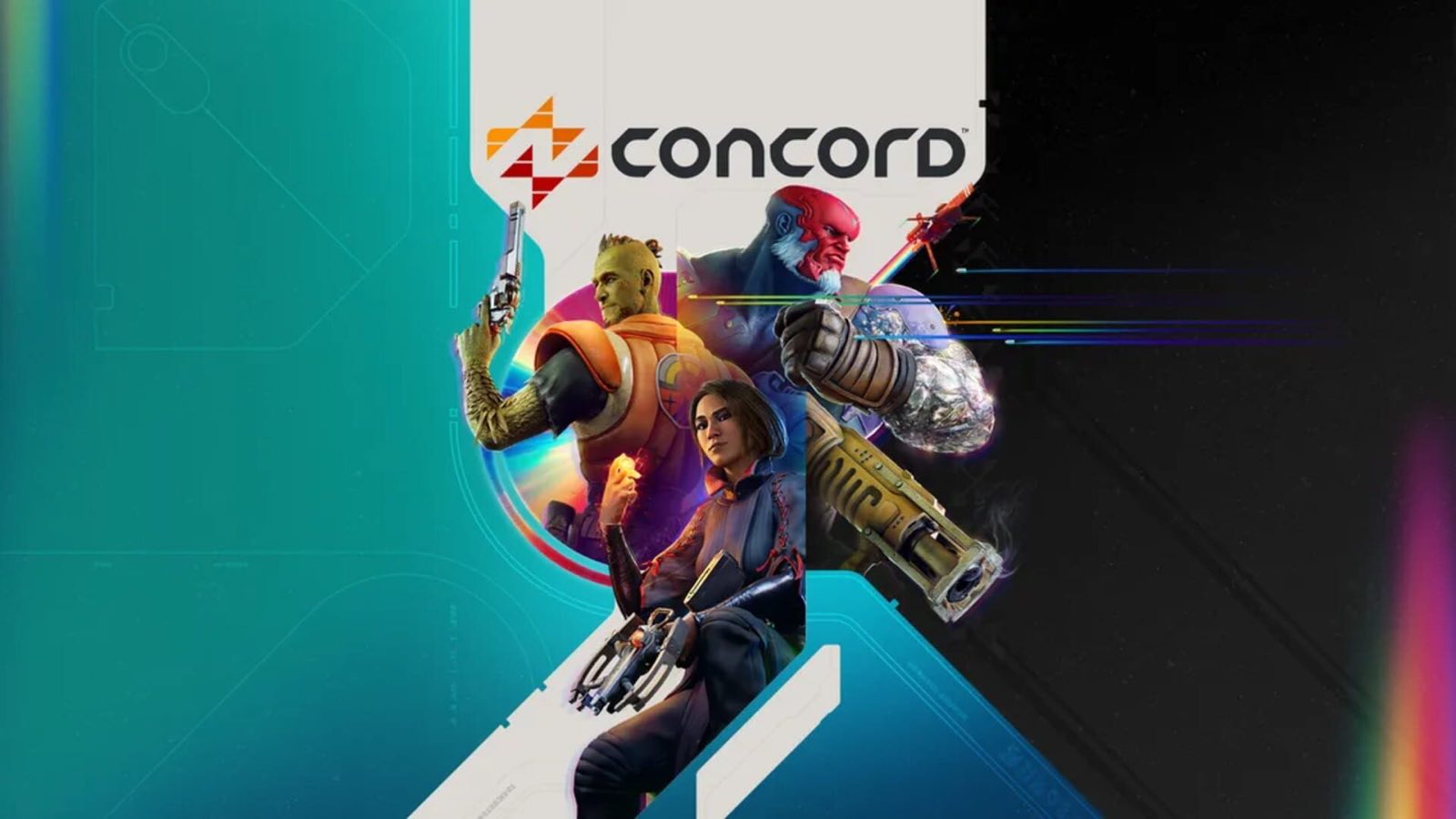
Concord: why PlayStation's biggest flop died in two weeks
Concord peaked at 697 Steam players and was pulled after two weeks. Why Sony's $40 hero shooter failed, what it cost, and the studio that went down with it.
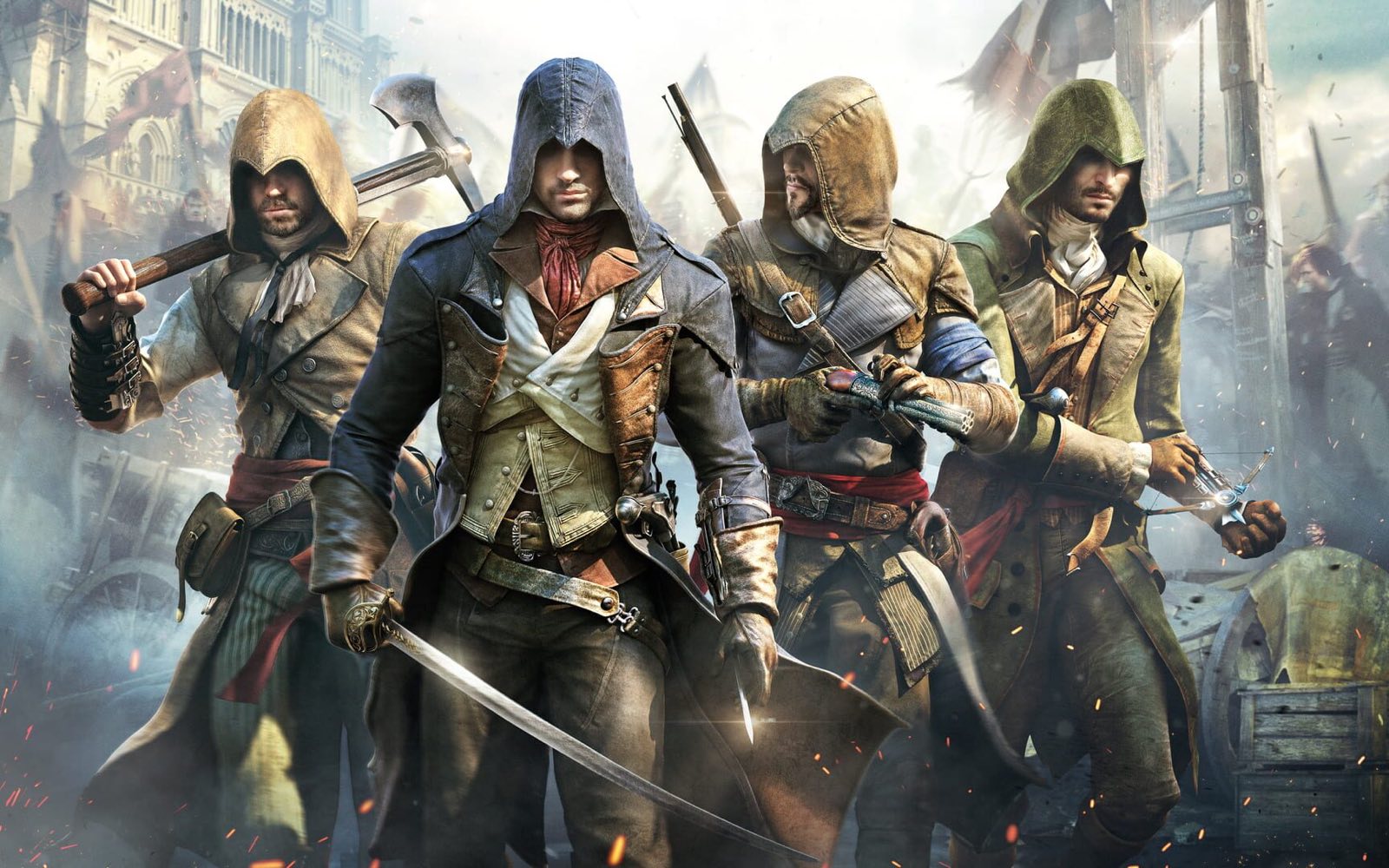
Assassin's Creed Unity launch: the 2014 bug fiasco
Missing faces, 20 frames per second and embargoed reviews: how Assassin's Creed Unity's botched 2014 launch unfolded and what it cost Ubisoft.
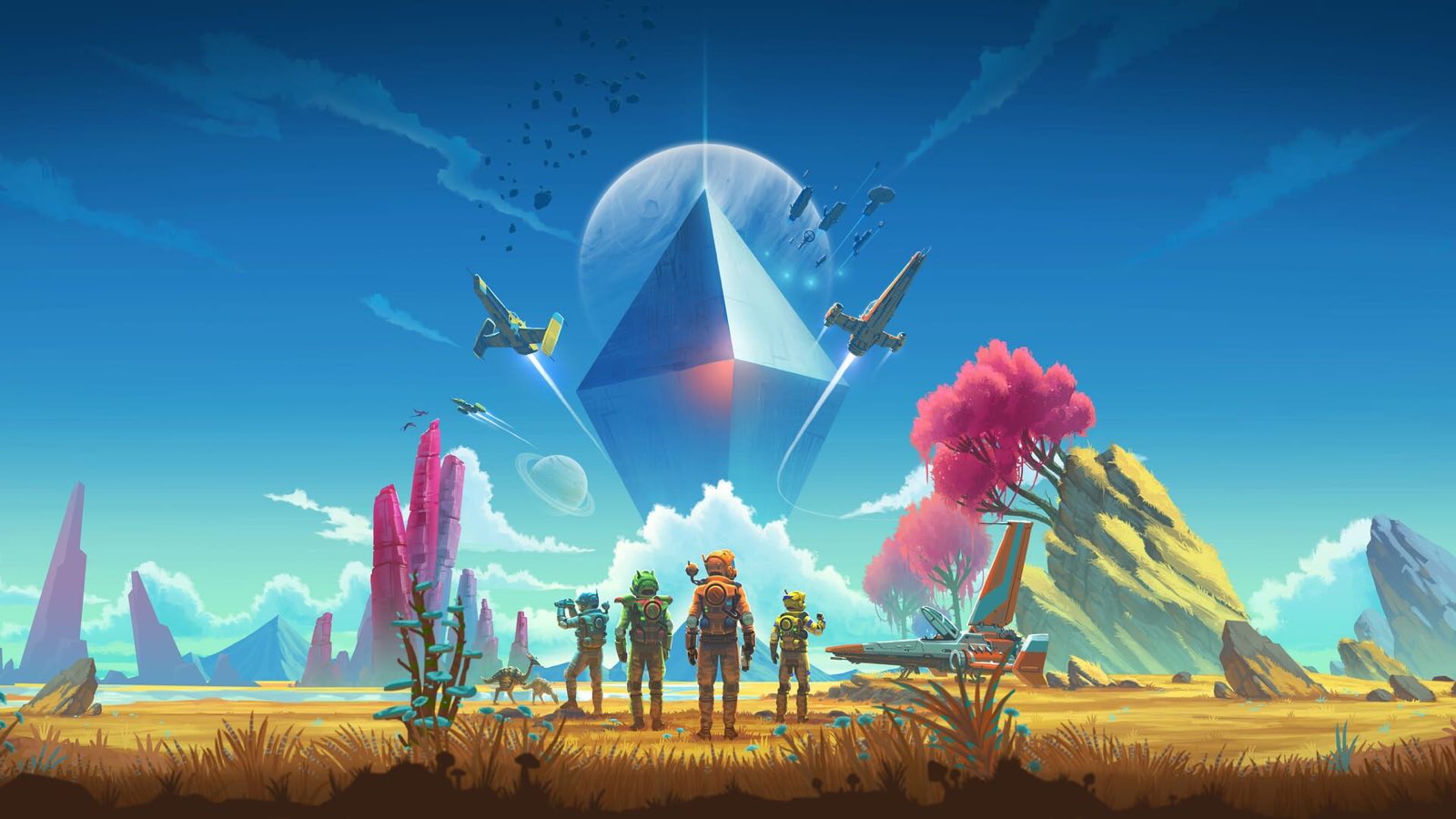
No Man's Sky comeback: how a 2016 flop won players back
A botched launch in 2016, Very Positive on Steam in 2024, a player-count record in 2025: how No Man's Sky recovered thanks to 40 free updates.
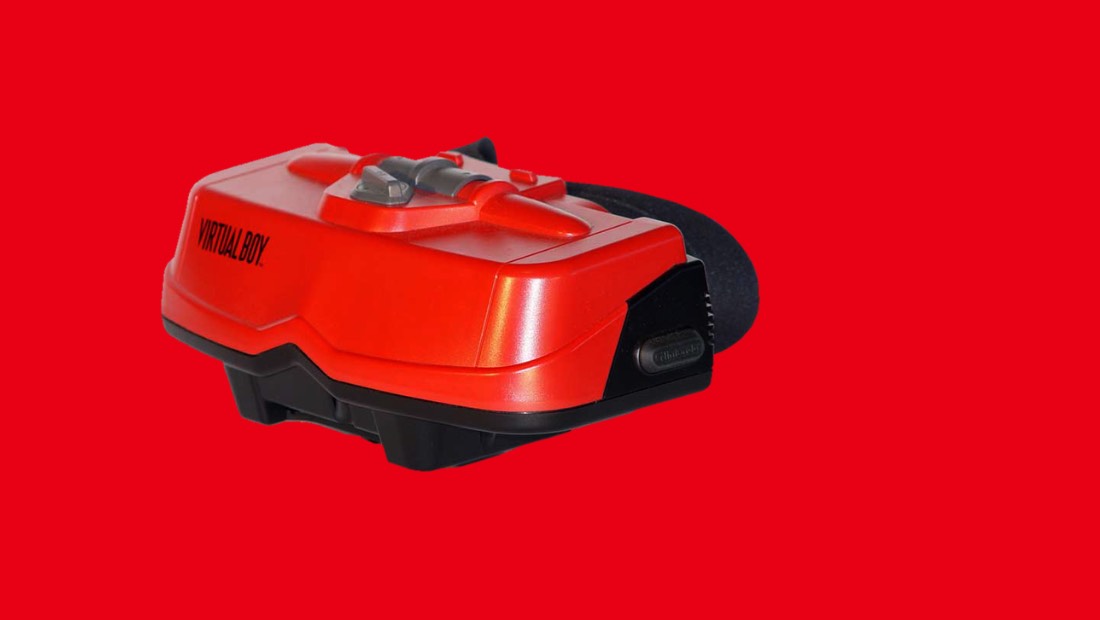
Virtual Boy: why Nintendo's 3D console failed
In 1995 the Virtual Boy promised 3D and found only 770,000 buyers. A red screen, a high price and headaches: how a chain of compromises sank it.
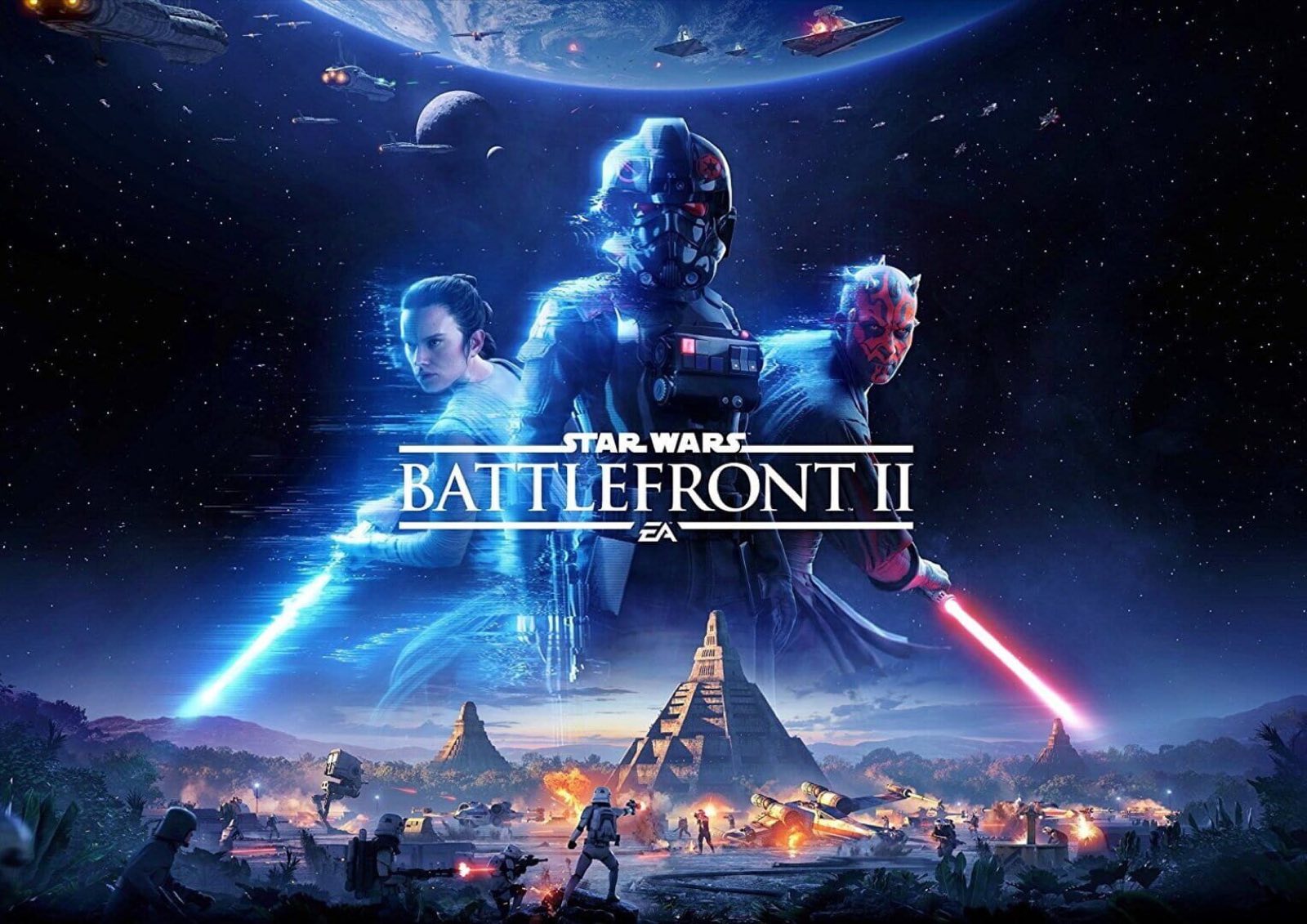
Star Wars Battlefront II: loot boxes and Reddit's revolt
In November 2017, an EA reply on Reddit became the most downvoted comment ever. The story of Star Wars Battlefront II's loot box scandal, and what it changed.
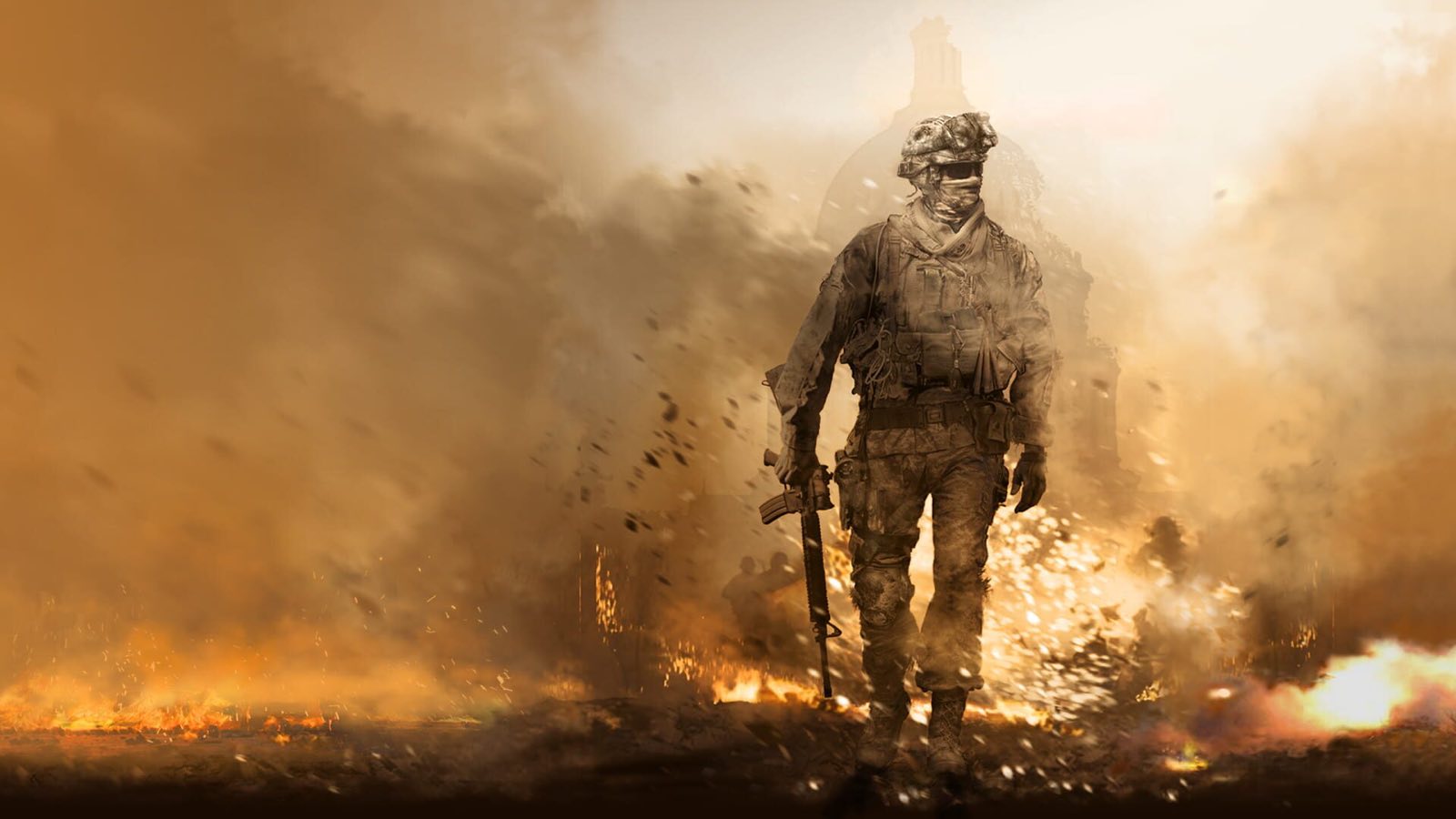
"No Russian" in Modern Warfare 2: the mission that shook gaming
In 2009, Modern Warfare 2's "No Russian" mission put players inside an airport massacre. How it was made, rated, censored and argued over ever since.
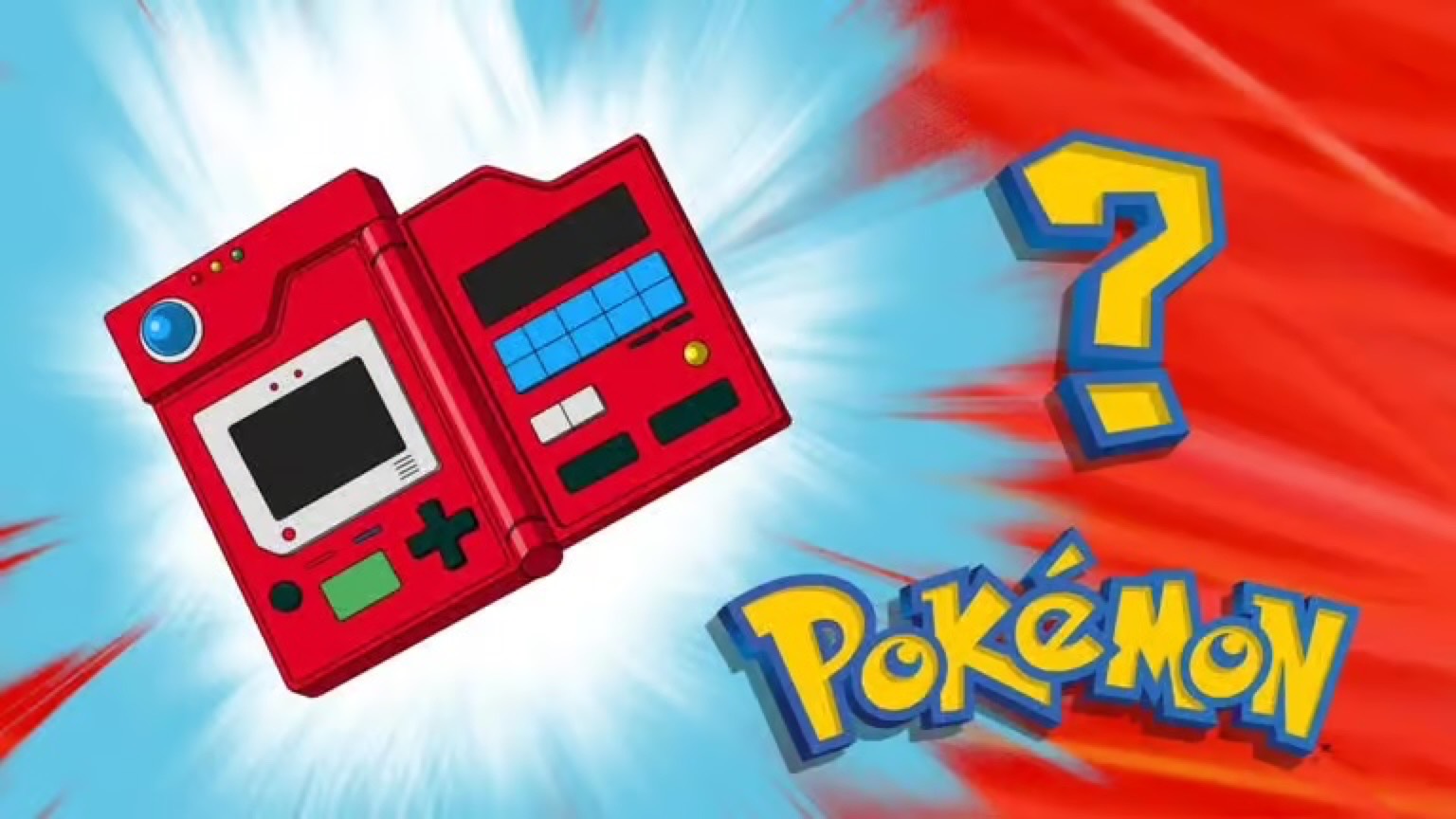
MissingNo: the Pokémon glitch that became a cult monster
MissingNo, the glitch in Pokémon Red and Blue: how the bug works, where its name comes from and why it became a legend of video game culture.
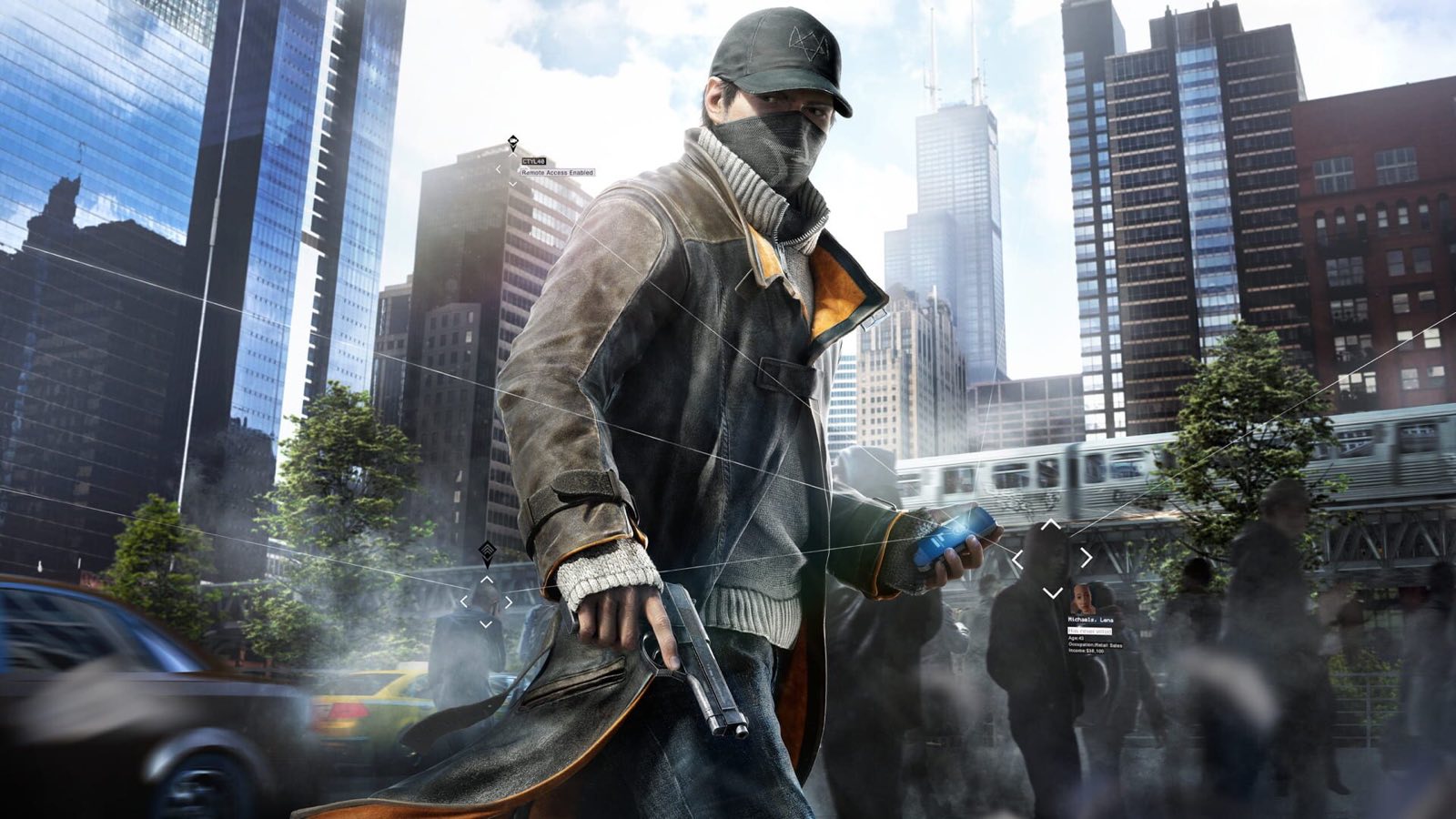
Watch Dogs: the graphics downgrade that shook gaming
In 2012, Watch Dogs promised the real face of next-gen. Here's what actually happened to its graphics, and why it changed how E3 demos got made.
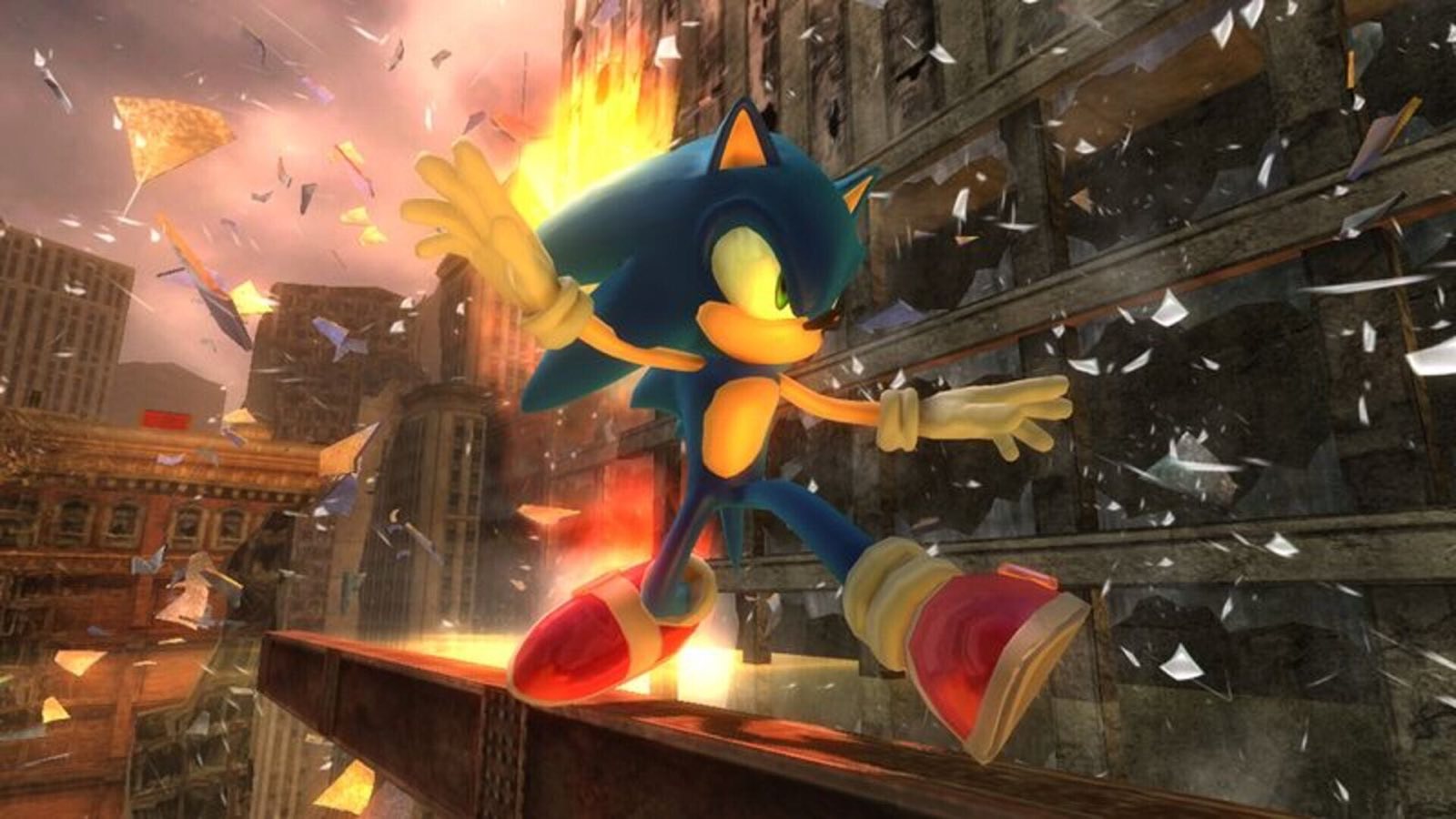
Sonic '06: the rushed development that broke it
Sega needed Sonic the Hedgehog (2006) ready for the franchise's 15th anniversary. Here is the sourced story of the chaotic development that wrecked it.
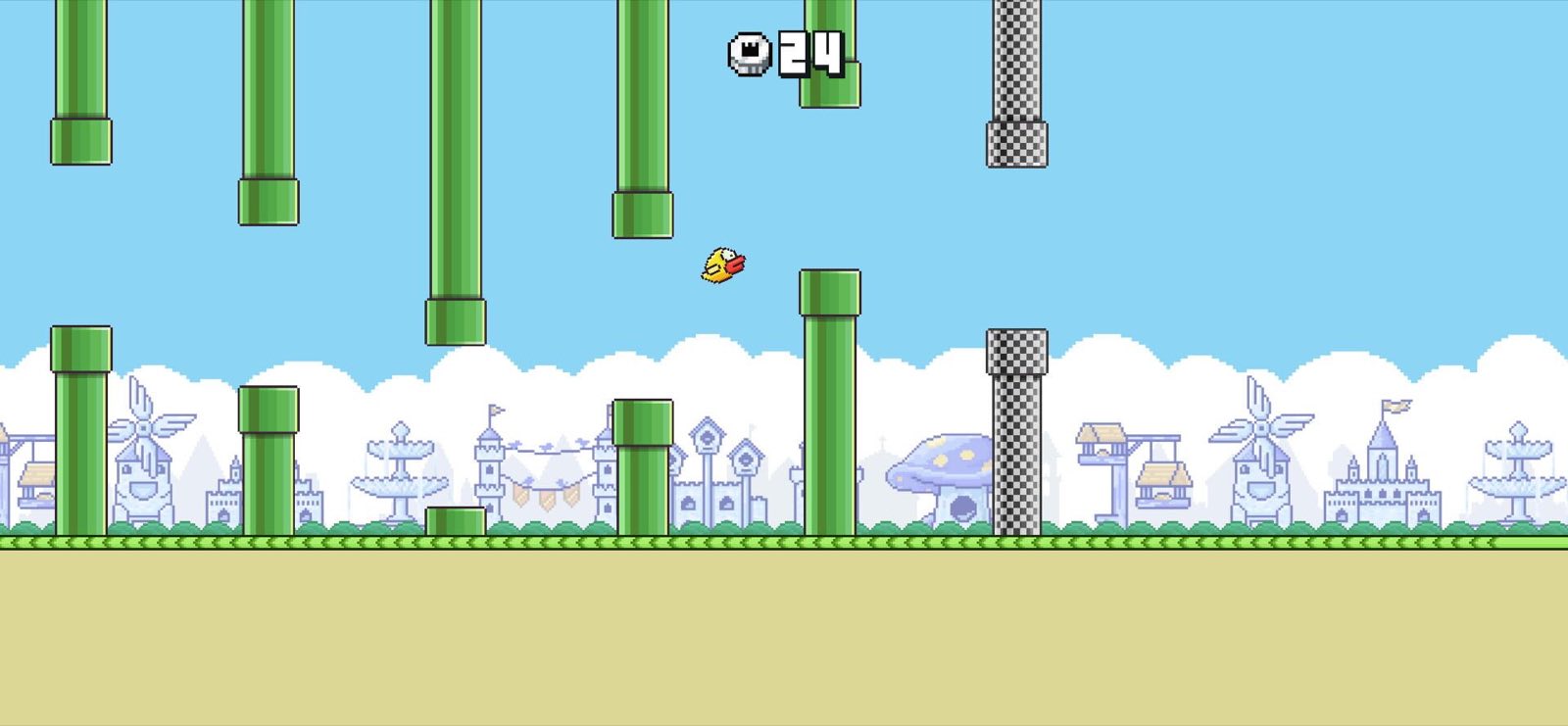
Flappy Bird: the true story of a viral phenomenon
In 2013, Dong Nguyen built Flappy Bird in three days. In 2014, at the height of its success, he pulled it. Here is the full story, up to today.
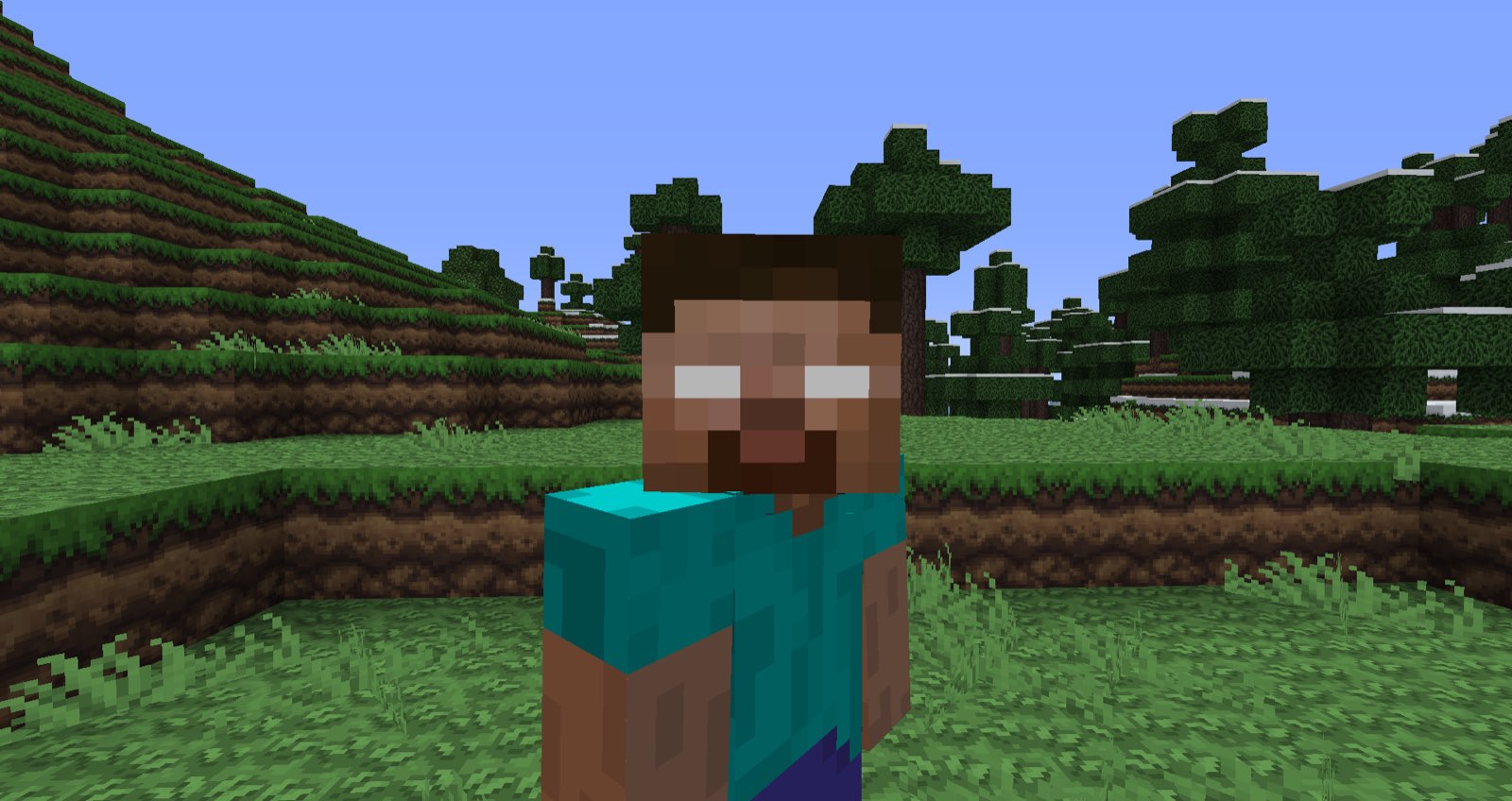
Herobrine: the Minecraft creepypasta that never died
A single 2010 4chan post created Herobrine, Minecraft's most enduring urban legend. Here is how it started, and why Mojang still keeps the joke alive.
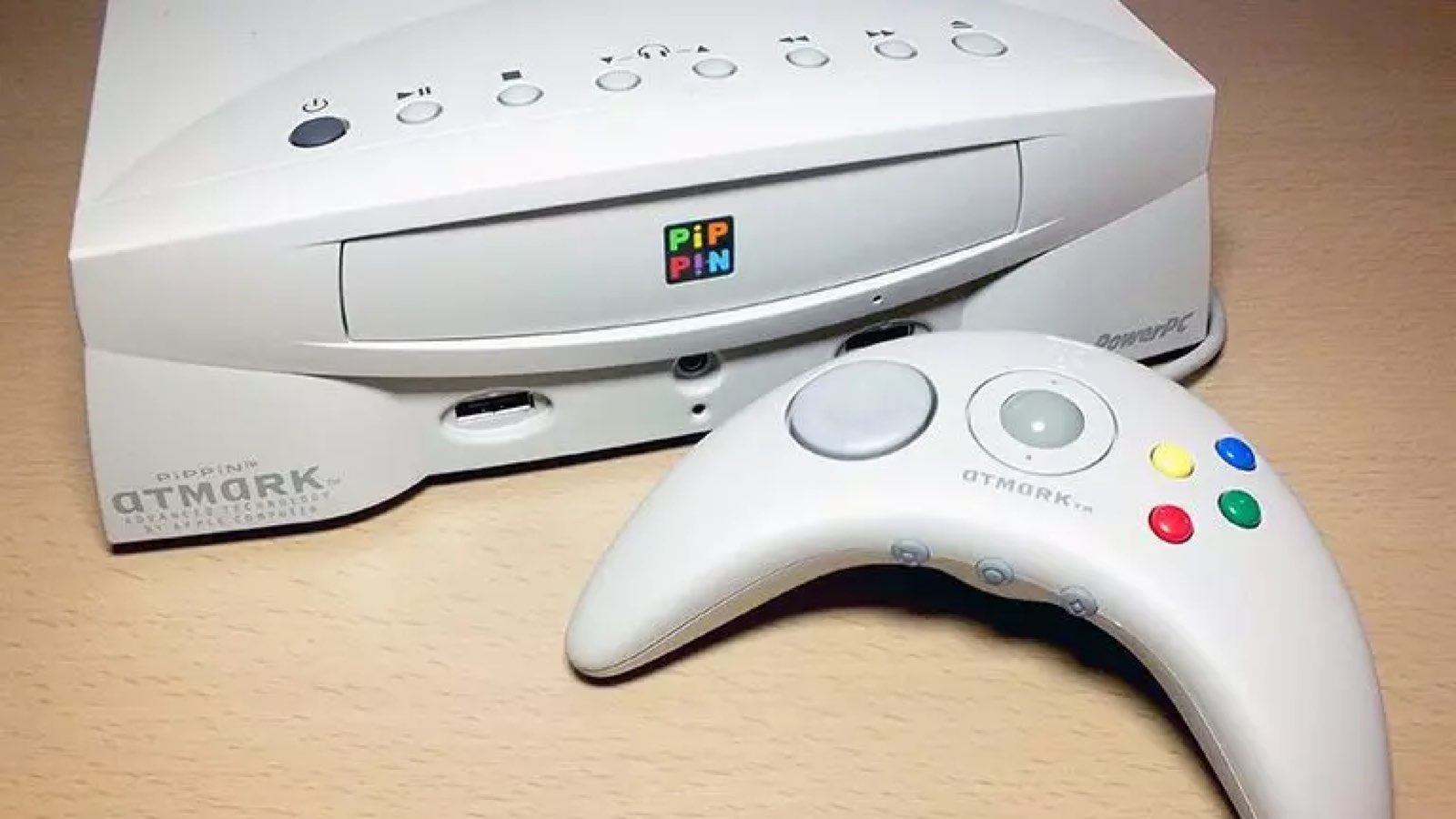
Apple Pippin: why Apple's game console flopped
In 1996, Apple's Pippin tried to be a computer and a game console at once, and sold barely 42,000 units worldwide. Here's why the bet failed.
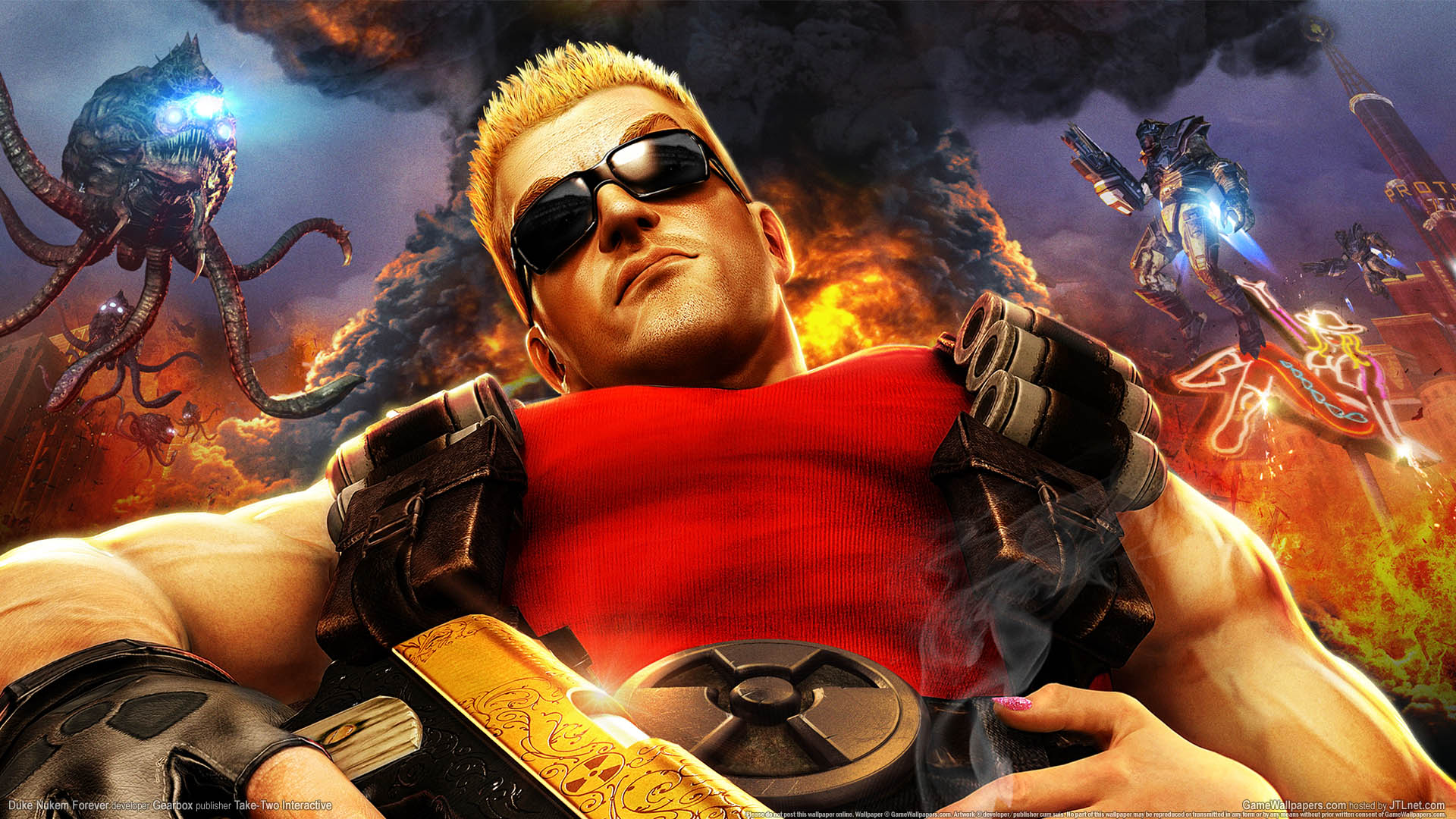
The development hell of Duke Nukem Forever
Fourteen years and forty-three days, a decade of engine rewrites, a dissolved team and a lawsuit in Manhattan: the chaotic story behind Duke Nukem Forever's development.
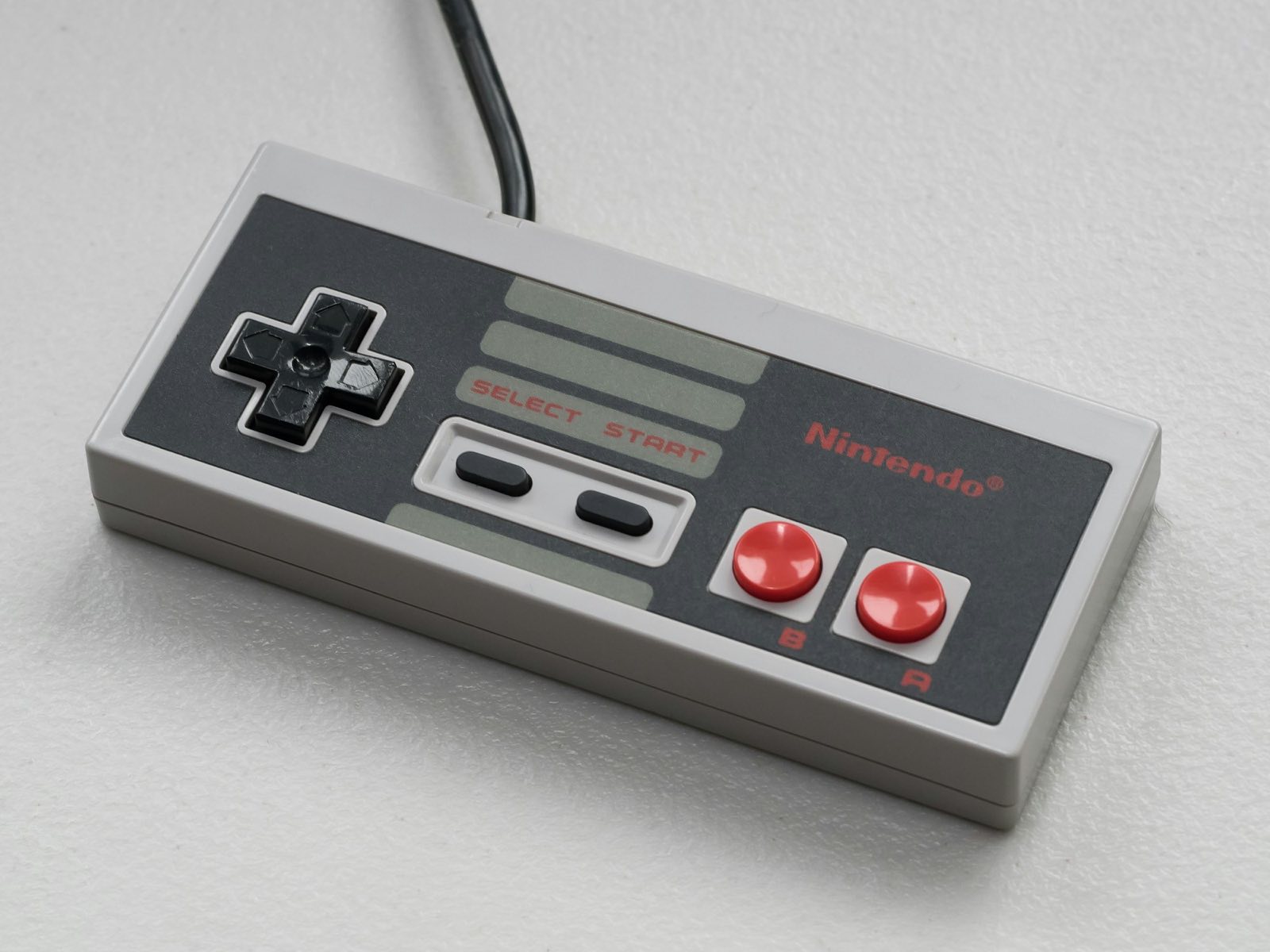
The Konami Code: origins of gaming's most famous cheat
Born from a difficulty spike on Gradius in 1986, the Konami Code became the most copied cheat code in gaming history. Its origins and afterlife.
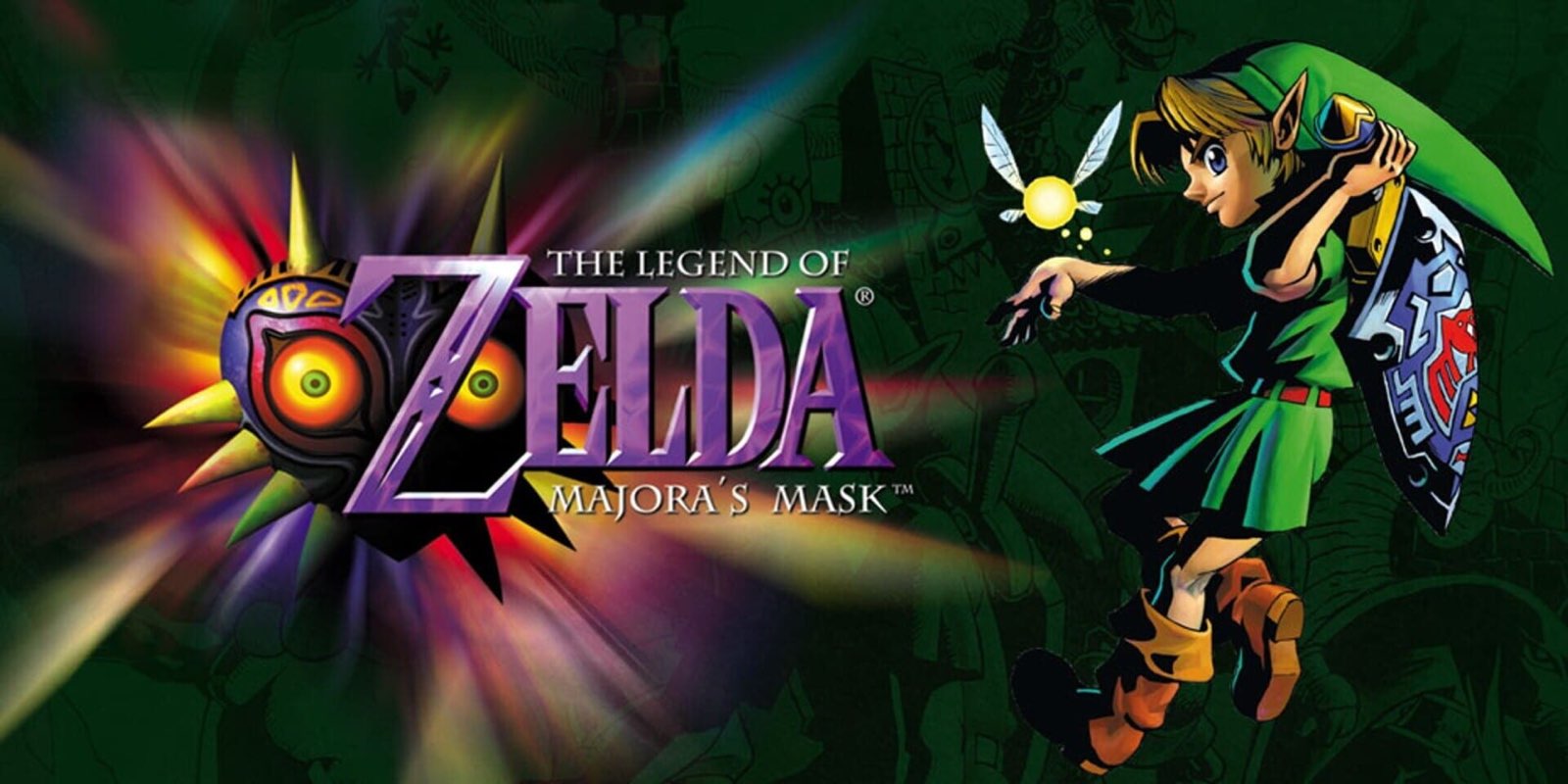
Majora's Mask: the one-year challenge Miyamoto set
Miyamoto challenges Eiji Aonuma to build a Zelda in one year. Sourced, step by step, how that bet shaped Majora's Mask, finished in fifteen months.
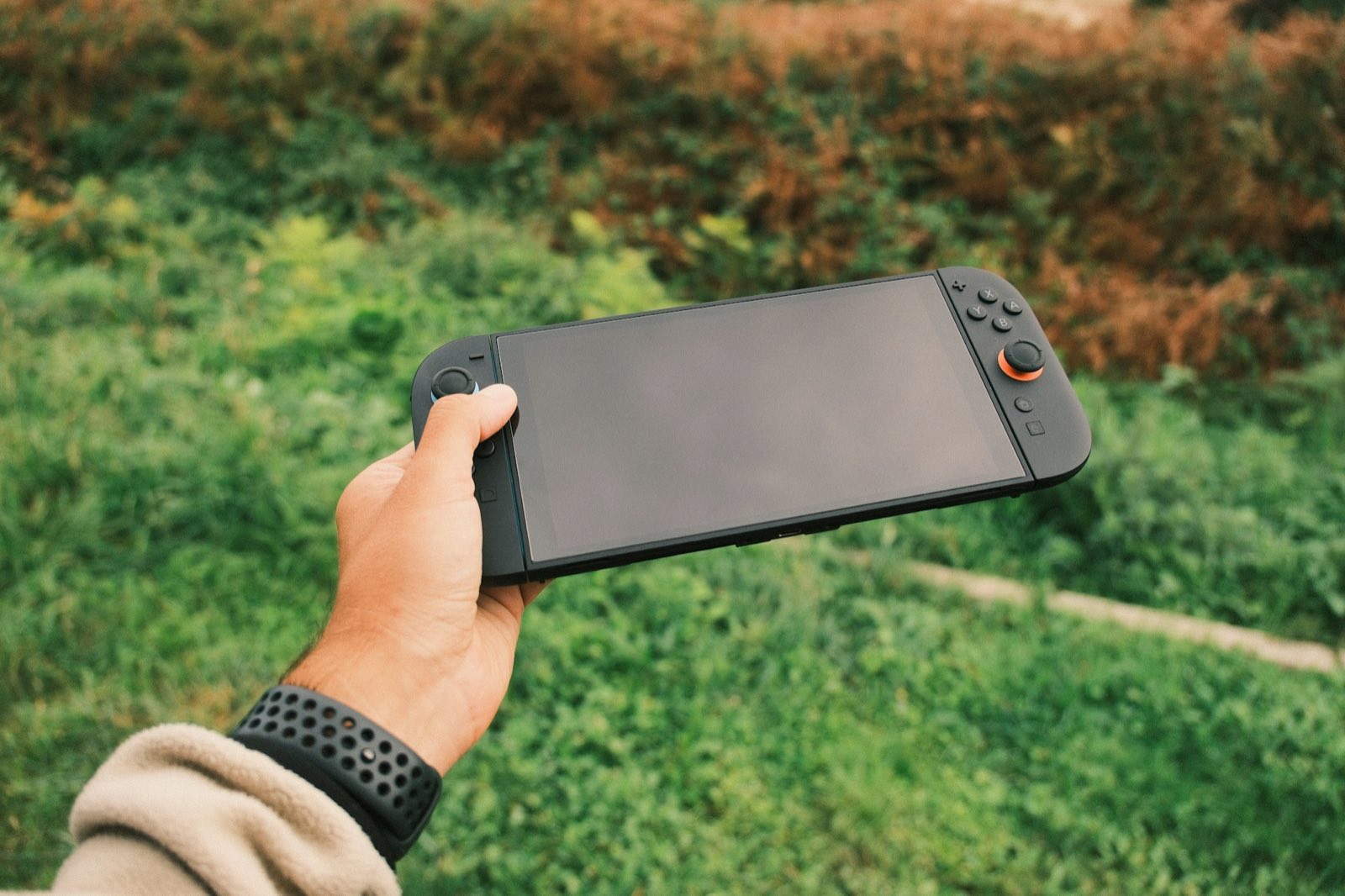
7 chill games for summer 2026, perfect for handhelds
Heat, vacation, no urge to prove anything: 7 chill summer 2026 games, most playable on Switch, Steam Deck or ROG Ally, on a train or a lounge chair.
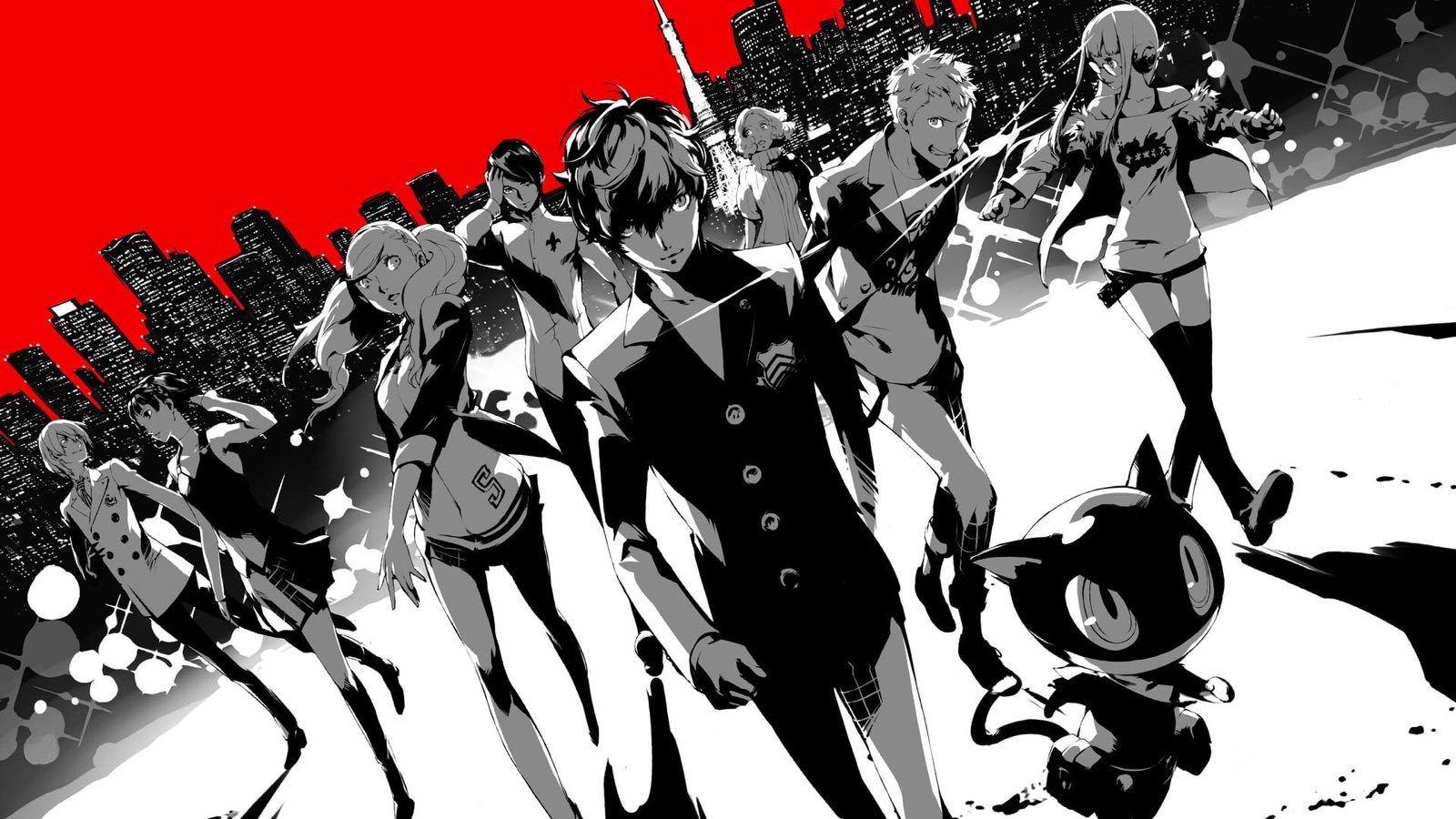
Why try Persona 5 Royal, even if you hate JRPGs
I avoided talky JRPGs for years, until Persona 5 Royal showed up on my Steam Deck. An honest account of 89 hours, its strengths, and one boss I still haven't forgiven.
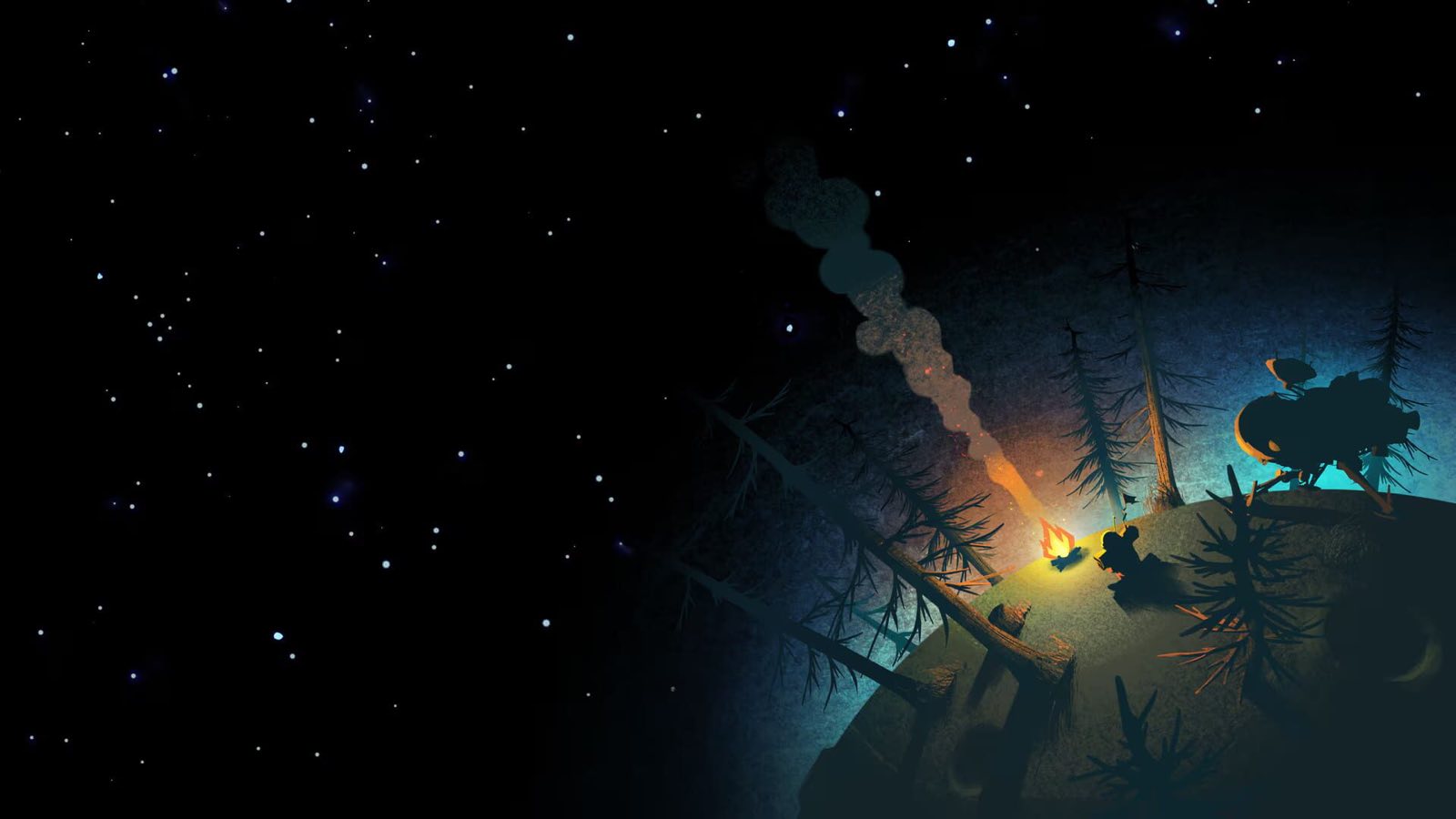
Games like Outer Wilds to play once you finish it
Finished Outer Wilds and craving more mysteries? Six games that keep that same curiosity alive, plus a reminder: the Echoes of the Eye DLC is worth it too.

The rise of story-driven single-player games in 2026: gems your backlog needs
Record sales, exceptional scores, a packed calendar. Story-driven single-player games took back some ground in 2026. Here's what shipped this half and which gems deserve a slot in your backlog.

PlayStation is ending discs in 2028, and that's bad news for players
In January 2028, Sony ends physical disc production for new PlayStation games. Behind the convenience pitch, players lose out on resale, lending and the preservation of their games.