Watch Dogs: the graphics downgrade that shook gaming
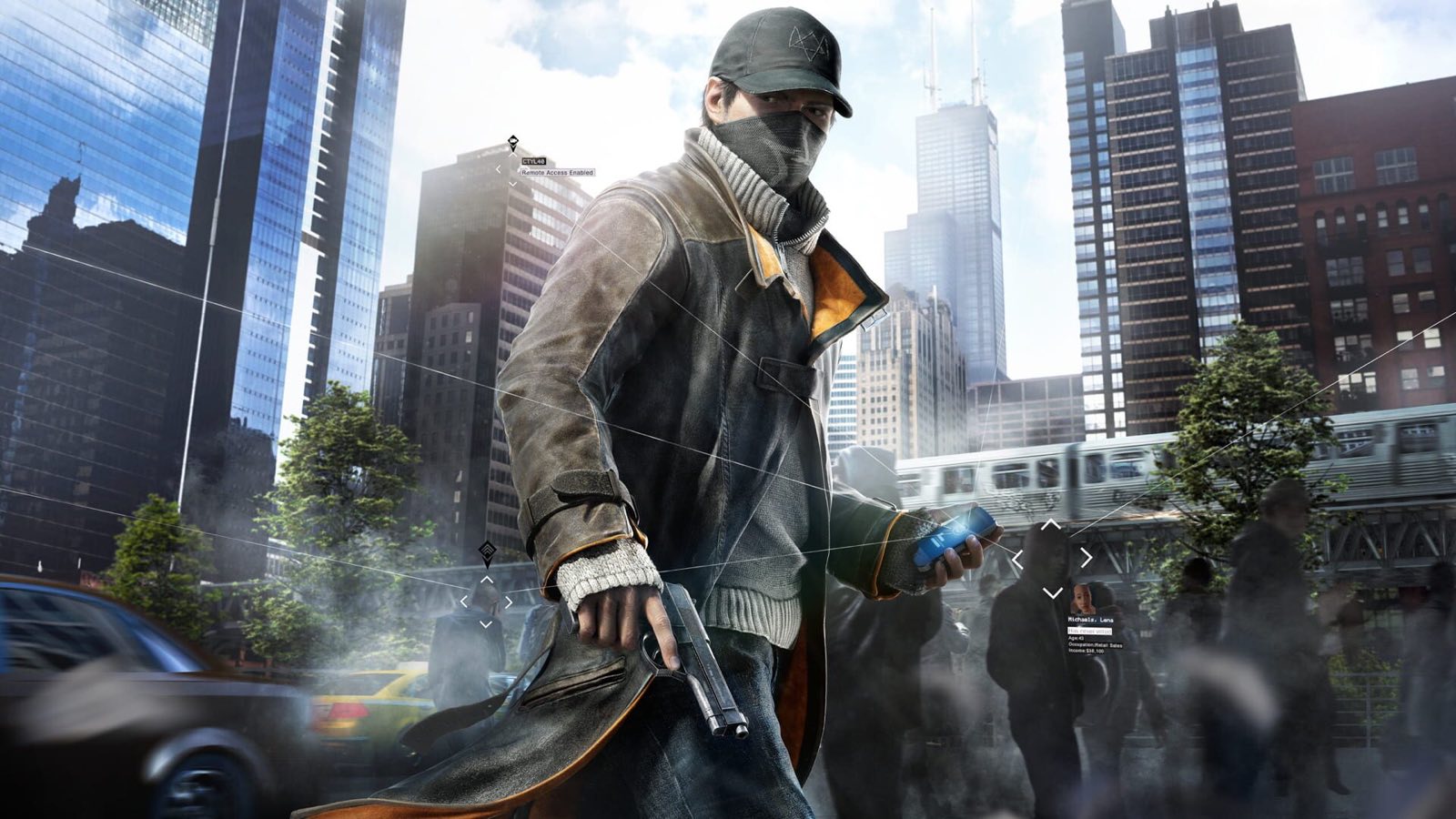
Few cases get cited as often as the Watch Dogs graphics downgrade when people want to explain the gap between a trade-show demo and the game that actually ships. Two years separate the reveal that had the entire press in agreement from the game’s release, and that gap was enough to turn a routine technical trade-off into a full-blown communications headache for Ubisoft.
A triumphant reveal at E3 2012
Watch Dogs was unveiled at Ubisoft’s E3 2012 press conference, with a rain-soaked Chicago demo in which Aiden Pearce hacks traffic lights, phones and city infrastructure in real time. Critics were unanimous: according to the game’s Wikipedia entry, the reveal picked up more than eighty awards and nominations from the gaming press, and G4tv flatly called it a “truly next-gen adventure.” The following year, at E3 2013, a fresh live demo running on PS4 pulled in roughly fifty more awards. For nearly two years, Watch Dogs stood as the proof of what PlayStation 4 and Xbox One were supposedly capable of putting on screen.
Cracks appear before the game even ships
Doubt crept in in early March 2014, barely two months before launch. A NeoGAF user posted a GIF comparing footage from the E3 2012 demo to fresh gameplay clips, and the contrast was hard to miss: less volumetric fog, flatter lighting, far less dramatic rain. Ubisoft reacted almost immediately. Speaking to GameSpot, PR manager Tessa Vilyn dismissed the accusation on Twitter: “Believe me the game is not downgraded. That would just be a bit ridiculous. I saw the game, it looks incredible. It looks what a next gen should look like.” The line didn’t convince many people, but it exists on record, before the game was even in players’ hands.
A record-breaking launch, controversy or not
Watch Dogs launched on May 27, 2014 for PC, PS3, PS4, Xbox 360 and Xbox One, with the Wii U version following in November. None of the controversy hurt sales: the game became Ubisoft’s biggest 24-hour launch ever and the UK’s biggest launch for a new IP at the time, per Wikipedia. IGN reported four million copies sold in the first week, and Engadget put shipped units at eight million by early July, based on Ubisoft’s quarterly earnings report. The game would go on to pass ten million copies. In other words, the downgrade talk dominated forums, but it never stopped many people from buying the game.
What Digital Foundry actually found
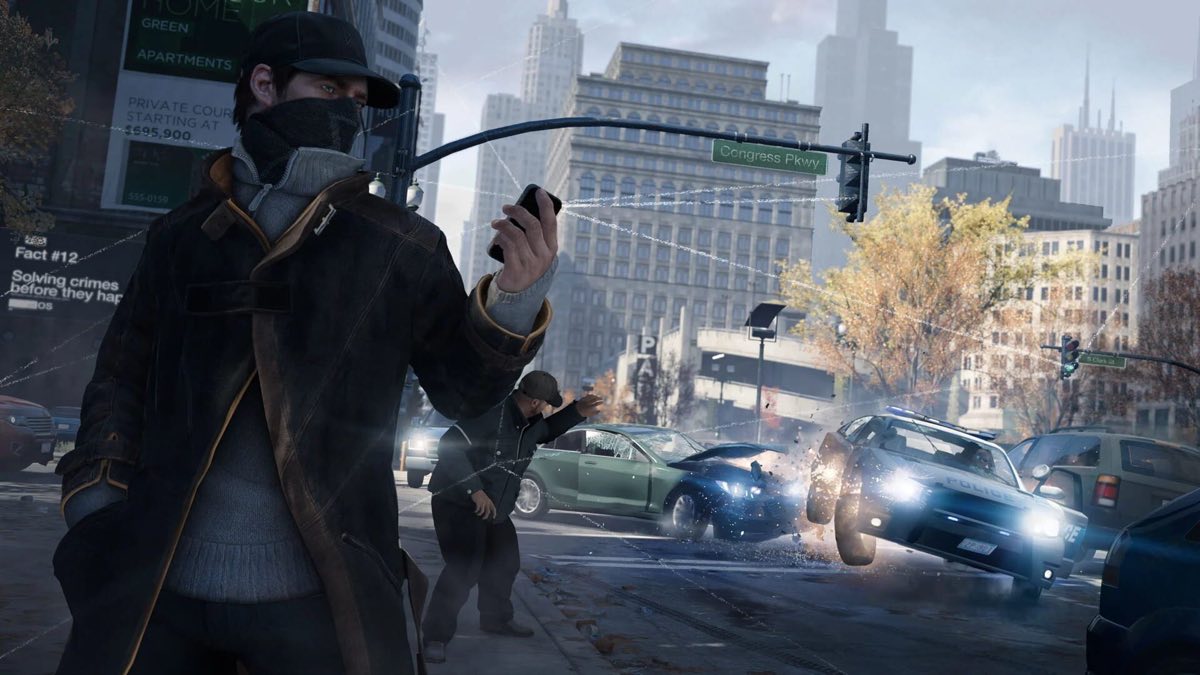
It was Digital Foundry that delivered, in early June 2014, the deepest dive into the question. The outlet rebuilt the E3 2012 sequence as closely as it could in the finished PC game running on Ultra settings, accounting for random weather and sun position to give Ubisoft the benefit of the doubt at every step. The verdict was clear: the bokeh-style depth of field lost intensity, the volumetric fog and mist that gave the theater interior its atmosphere had nearly vanished, fewer light sources cast shadows, and some streetlamps that were fully modeled in 3D at E3 turned into flat textures in the shipped game. The most telling comparison actually came not from E3 2012 but from daytime footage shown at the PS4 reveal event in February 2013, where ambient lighting and pedestrian density both looked noticeably better than what the finished game delivered. Digital Foundry still concluded there was no evidence of deliberate deception: everything pointed instead to a team that had banked on more next-gen power than actually materialized, not unlike how Unreal Engine 4 had dropped its SVOGI global illumination technique a year earlier once it couldn’t run properly on PS4.
The mod that proved it, and the admission that followed
A few days after that investigation, a Guru3D forum modder going by TheWorse posted a thread titled “After hours testing… Watch Dogs (E3 Bloom effect working)”, dated June 12, 2014. By digging through the game’s files, he found deactivated render settings that, once re-enabled, brought back the bright bloom, the heavy depth of field, headlight shadows on cars, and the fog density seen at E3. A week later, Ubisoft finally acknowledged those hidden settings existed while denying any intent to deceive anyone. In a statement carried by Game Developer, the studio said: “The notion that we would actively downgrade quality is contrary to everything we’ve set out to achieve,” adding that “the PC version does indeed contain some old, unused render settings that were deactivated for a variety of reasons, including possible impacts on visual fidelity, stability, performance and overall gameplay quality.”
Watch Dogs wasn’t an isolated case
The word “downgrade” existed before Watch Dogs, but the controversy gave it a new resonance at a time when publishers were routinely showing pre-alpha demos years ahead of release. Barely a year earlier, Aliens: Colonial Marines had gone through something comparable, and worse: the playable demos shown at conventions bore almost no resemblance to the retail game, to the point that an angry buyer filed a class-action lawsuit against Sega and Gearbox, as reported by Top Class Actions. Sega eventually agreed to a $1.25 million settlement in mid-2014, according to GamesIndustry.biz, though the case later lost its class-action status and Gearbox was dropped from it, per Polygon. Ubisoft itself didn’t escape a repeat performance the following year: the community compared footage of Tom Clancy’s The Division shown at E3 2013 against E3 2015 clips and once again spotted flatter textures and thinner lighting, as documented in several comparisons shared on Reddit. One comment in that thread summed up the mood that had settled in after Watch Dogs pretty well: rather than showing target-render footage years before release, publishers would be better off waiting until a game is actually in a playable state. That shift in posture didn’t happen overnight, but the increasingly skeptical reception given to later demos, including Watch Dogs 2’s two years later, carries its mark clearly.
What’s left of the story
Watch Dogs isn’t the only game whose original promise ended up diverging from what shipped; the development of Duke Nukem Forever offers another example, this one driven by years of engine changes rather than a last-minute technical trade-off. What sets the Watch Dogs case apart is how quickly the community was able to verify the gap for itself, straight from the game’s own files, rather than settling for a vague impression. Keeping track of what you actually own, rather than the memory of a trailer seen two years earlier, has its own quiet usefulness. That’s roughly what Radion does on a smaller scale: it brings Steam, Xbox, PlayStation and Nintendo libraries together in one place, so you can find what you bought and how far you got, without relying on memory, however confident it feels.