Sonic '06: the rushed development that broke it
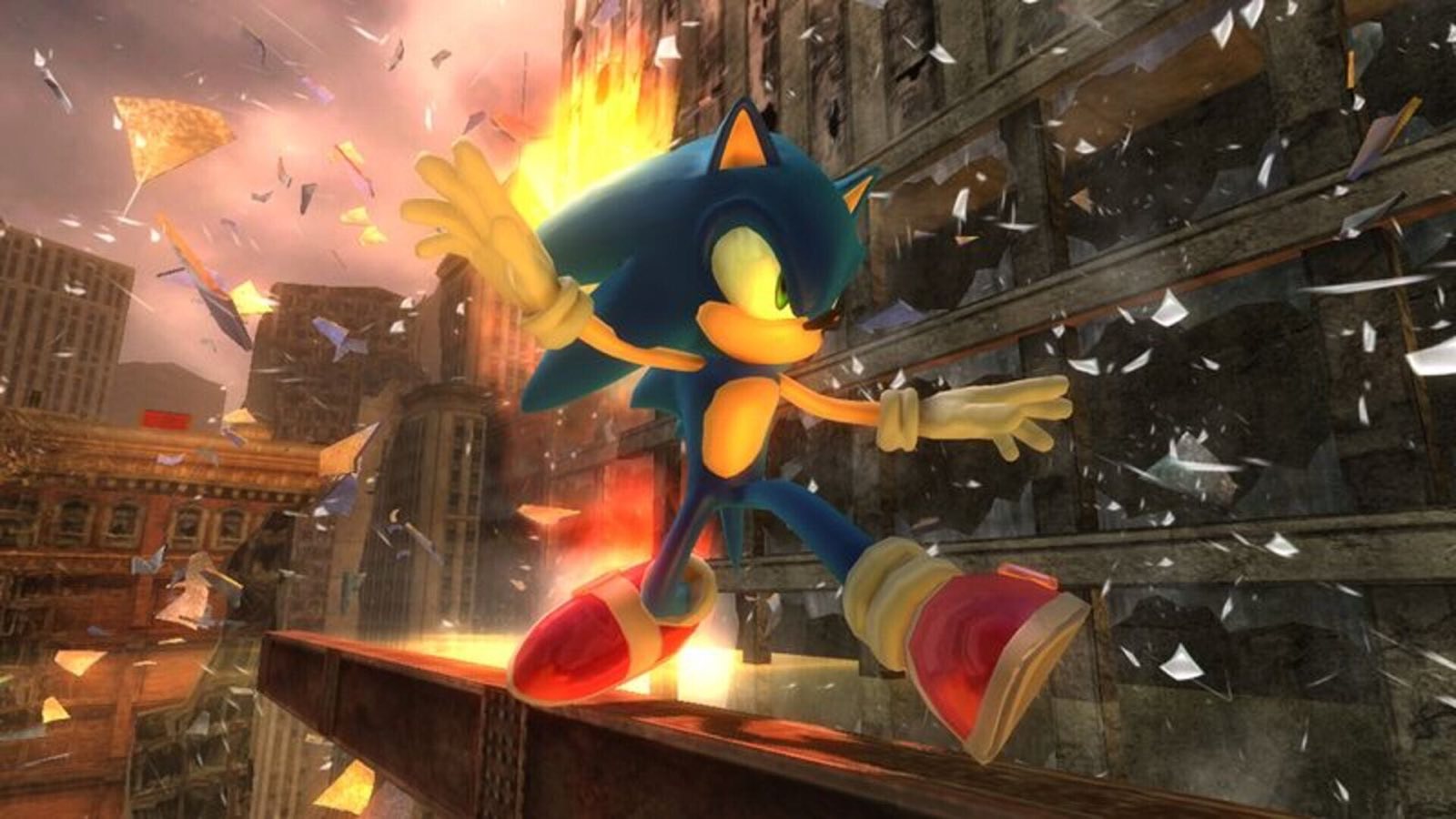
Twenty years after release, Sonic the Hedgehog (2006) is still the go-to example of a Sonic game gone wrong: an unmanageable camera, endless loading screens, glitches that became memes in their own right. What gets lost behind the mockery is that the game was supposed to be the opposite, a rebirth of the franchise for its 15th anniversary. The chaotic development that produced this result comes down to a handful of decisions made under pressure Sonic Team never really got ahead of.
A blockbuster bet, launched too early
The project began in early 2005 under Yuji Naka, the franchise’s co-creator and then head of Sonic Team. His ambition was for Sonic to land like the superhero blockbusters of the moment. “When Marvel or DC Comics turn their characters into films, they are thinking of them as blockbusters, huge hits, and that’s what we were trying to emulate,” he told TeamXbox in May 2006, pointing directly at films like Spider-Man 2 and Batman Begins. The game was first planned for sixth-generation hardware, until the team realized its release would land right around the mascot’s 15th anniversary, and shifted it to PlayStation 3 and Xbox 360, both still deep in development at Sony and Microsoft. Sonic Team used the opportunity to bring in the Havok physics engine, already used on their game Astro Boy (2004), aiming for bigger levels and a new character, Silver, built specifically to take advantage of that physics.
The captain leaves mid-crossing
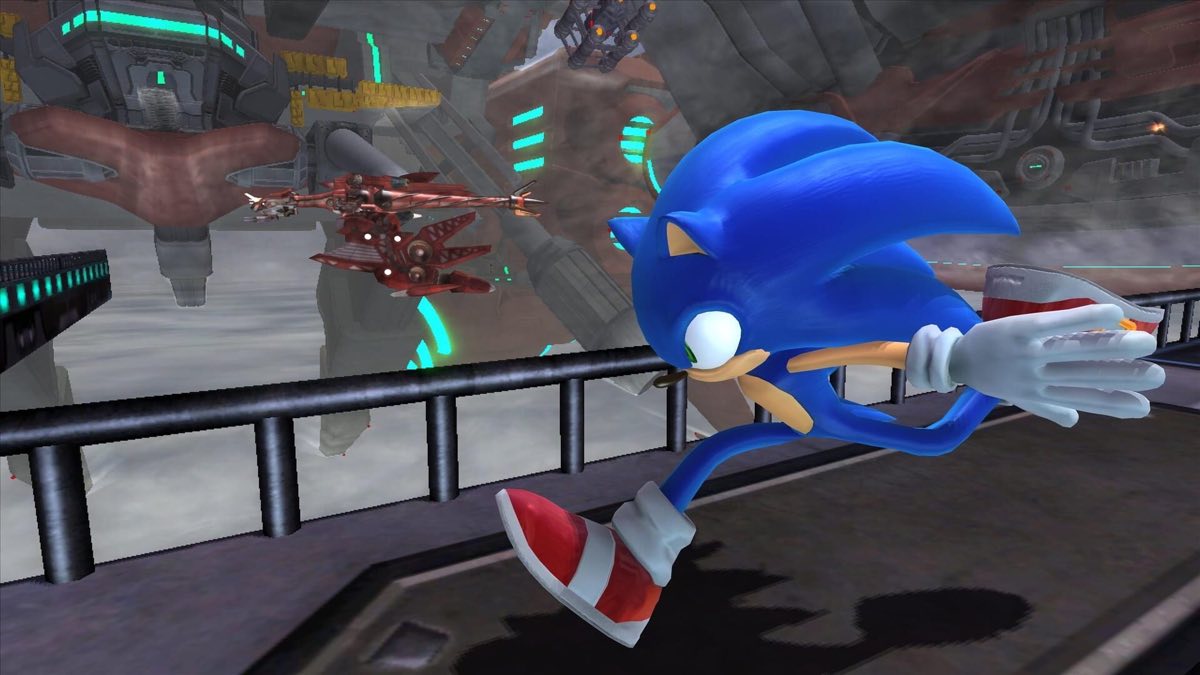
In March 2006, mid-production, Naka resigned as head of Sonic Team to found his own studio, Prope, wanting to focus on original properties rather than Sonic. For former Sega of America CEO Tom Kalinske, that departure had a clear cost: with him went “the heart and soul of Sonic,” he told Game Informer in 2016. The project lost its longtime lead designer right as it entered its most critical phase, and Sega did not slow the schedule down to compensate.
One console short reshuffles the whole team
What followed complicated things further. When Sonic Team finally received Wii development kits, the problem was immediate: Nintendo’s console was noticeably less powerful than the PS3 and Xbox 360, even though the game had been planned for all three. Sega made the call and split the team in two: one half continued on PS3 and Xbox 360 under director Shun Nakamura, the other went off to build an entirely different Wii game under Yojiro Ogawa, which would become Sonic and the Secret Rings (2007). Ogawa later described that final stretch as one of the biggest challenges of his career, caught between the imminent Xbox 360 launch and the equally close PlayStation 3 launch, in an interview with Kikizo from February 2007. A team already strained by Naka’s departure was now missing part of its staff, right as its workload doubled.
The final stretch, sacrificed
Pushed by Sega to have the game ready for the 2006 holiday season, Sonic Team barreled through the last months of production, brushing past a chunk of the bug reports and control complaints flagged by the publisher’s own QA team. A planned day-night cycle and an online multiplayer mode both got cut. “We didn’t have any time to polish and we were just churning out content as quick as we could,” producer Takashi Iizuka summed up to Game Informer. Sega knew the game wasn’t finished. It shipped anyway, so as not to miss the 15th anniversary window.
The release calendar itself carries the marks of that rush. The Xbox 360 version launched November 14, 2006 in North America, November 24 in Europe, then December 21 in Japan alongside the PS3 version. The North American PS3 release slipped to January 30, 2007, and the European edition, meant to be a launch title for the console, slid to March 23, partly to bundle in extra downloadable content before shipping.
The press verdict, with no appeal
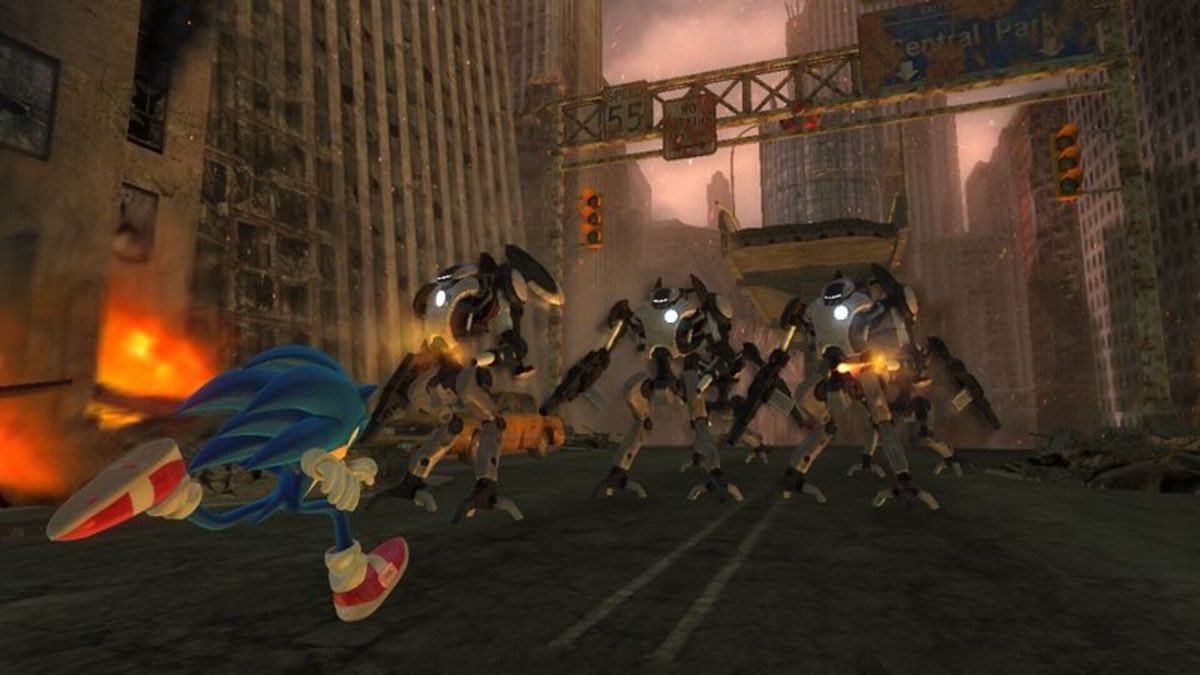
The fall was brutal. GameSpot called it “a mess from top to bottom,” pointing at a camera that ruined the level design, back-to-back loading screens, and side missions it deemed pointless. IGN and Eurogamer hammered the same points, with Eurogamer arguing the game would have looked broken even if it had shipped a decade earlier. On Metacritic, both versions capped out around 43 to 46 out of 100, filed under “generally unfavorable.” The story, mixing time travel with a romance between Sonic and human princess Elise, became a lightning rod for a lot of that criticism: a climactic story beat (ending spoiler, open it if that doesn’t bother you)
An industrial accident that reshaped the franchise
Despite the critical drubbing, the game sold: according to Sega Sammy’s official financial results, 870,000 copies moved in the US and Europe within four months of release, enough for it to later join Xbox 360’s Platinum Hits budget lineup. But the reputation never really recovered: the Xbox 360 version even shipped in Australia on a different date, November 30, 2006, and the game is still regularly named the worst in the series today. Sega drew a lasting lesson from it: the Sonic games that followed, starting with Sonic Unleashed (2008), deliberately steered away from this reboot’s dark, serious tone, until a 2015 restructuring finally cemented, inside Sonic Team, the idea that a delayed game beats one sunk by its release date.
Following a franchise with this many re-releases, botched reboots, and launches scattered across consoles gets confusing fast: which version you actually finished, which one is still sitting untouched. Radion exists for exactly that, pulling Steam, Xbox, PlayStation, and Nintendo libraries into one place. It wouldn’t have saved Sonic '06 from an impossible deadline, but it at least helps keep track of a franchise this sprawling.