Concord: why PlayStation's biggest flop died in two weeks
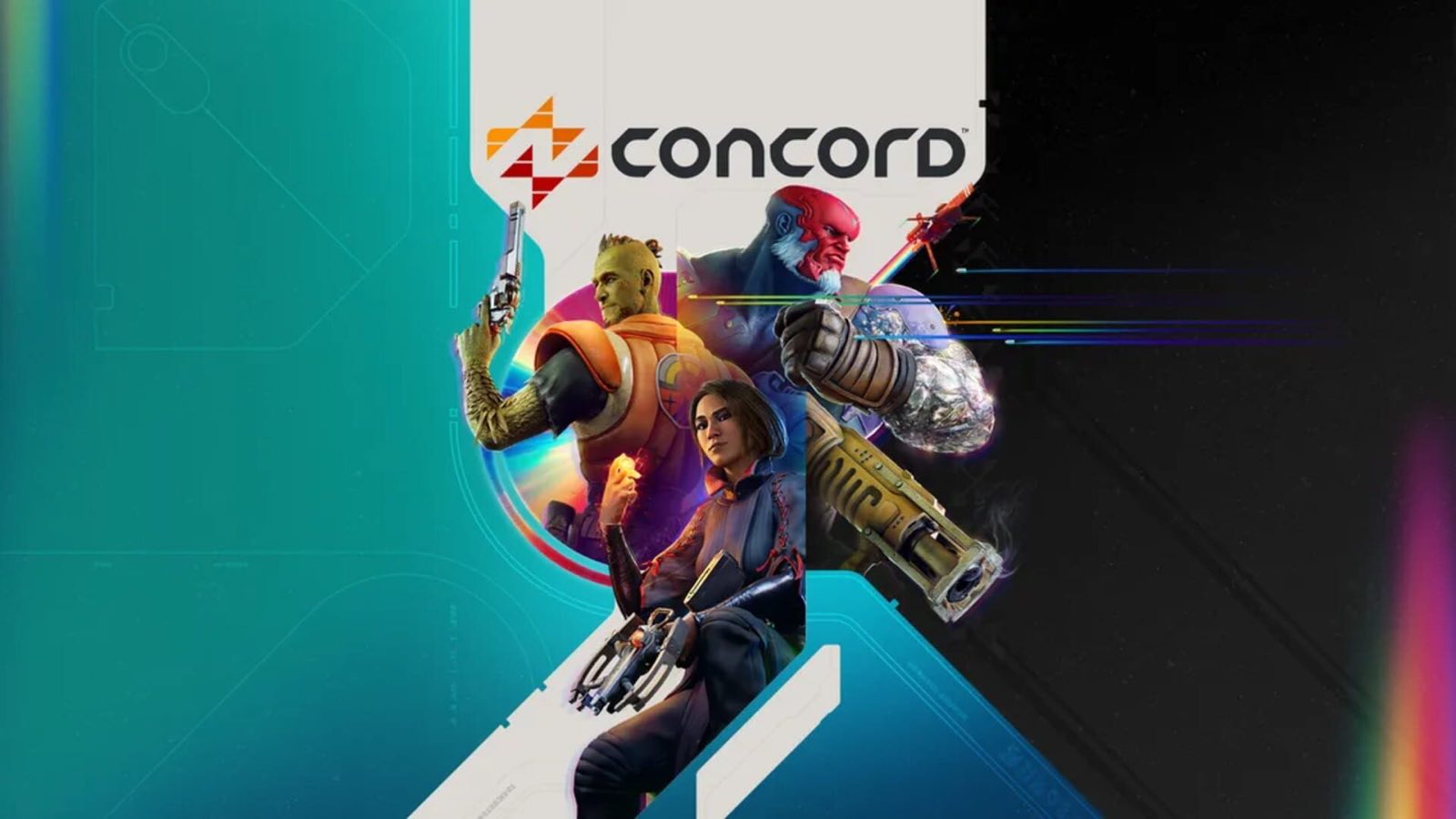
Concord launched on 23 August 2024 on PlayStation 5 and PC. Its Steam peak was 697 simultaneous players, and it never climbed higher. Sony stopped selling it on 3 September, refunded every buyer, switched off the servers on the 6th, and on 29 October closed the studio that had built it. Concord is the most spectacular flop PlayStation has ever published, and the reasons behind it say a lot about how big publishers misread the live-service boom.
Eight years of development for a hero shooter
Concord came from Firewalk Studios, a Bellevue, Washington team founded in 2018 and staffed with veterans of Bungie and Activision. Its game director, Ryan Ellis, had been creative director on Destiny 2 before leaving Bungie in 2017 to lead what became Concord. Sony bought the studio in April 2023 for an undisclosed sum and showed the game the following month at a PlayStation showcase.
Lead character designer Jon Weisnewski said on launch week that the project had been in development for around eight years. That puts its start near the moment Overwatch arrived in 2016 and made hero shooters the genre of the day. Firewalk’s own farewell message dates the start of full production to 2022. Whichever date you pick, the market Concord entered in 2024 looked nothing like the one it was designed for. Analyst Piers Harding-Rolls pointed out that Apex Legends, Valorant and Overwatch 2 were each played by millions of people every month, all for free, and that Concord’s gunplay sat closest to Overwatch 2.
A $40 price tag in a free-to-play genre
Concord cost $40 (£35 in the UK) while its direct competitors cost nothing. Earlier that year Sony had used the same playbook for Helldivers 2: PS5 and PC on the same day, $40. That game drew well over 400,000 players on Steam at launch. Concord peaked at 697.
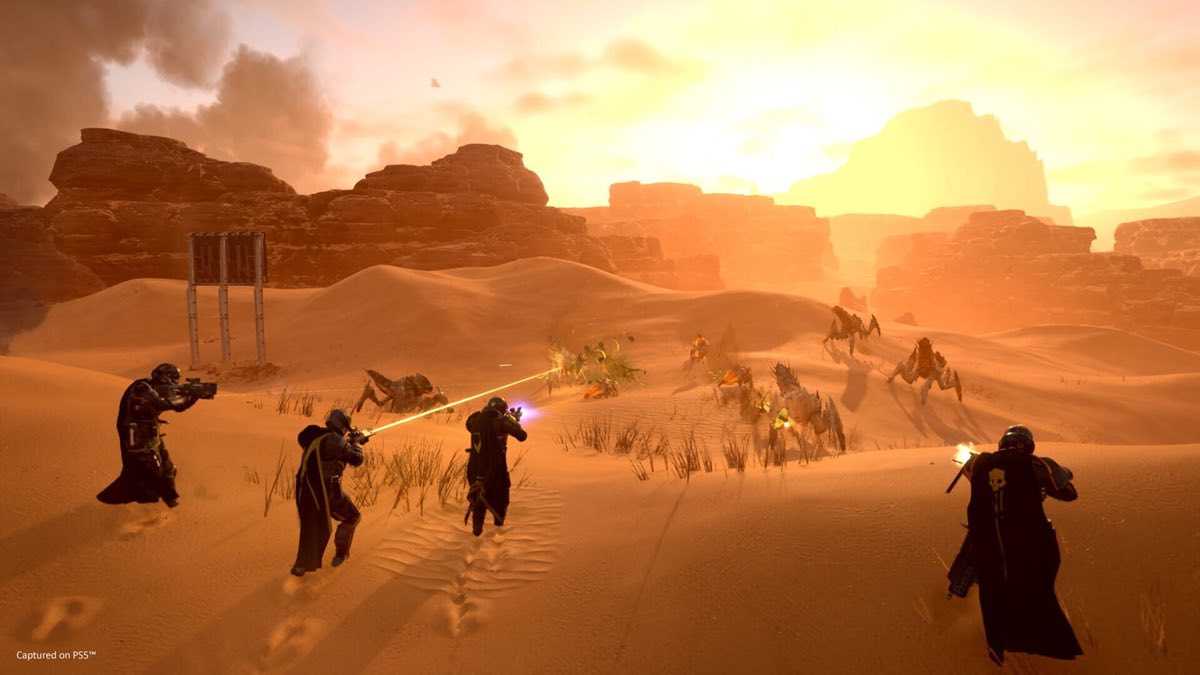
Analyst Rhys Elliott told IGN that Concord needed to launch free-to-play, or at least on PlayStation Plus, to have a fighting chance. Simon Carless added the part that hurts premium shooters most: players only move to a new game when their friends move too, and few want to abandon the cosmetics they have piled up elsewhere.
The warning signs came early. The early-access beta, held from 12 to 14 July, peaked at just over 1,100 players on Steam. Circana’s Mat Piscatella said that as of July very few players knew the game existed, and that retail promotion amounted to a handful of web placements. The release date then landed three days after Black Myth: Wukong, which overshadowed it in hype and sales.
Solid shooting, forgettable heroes
Reviews were mixed. The Metacritic averages came out at 62 on PS5 and 65 on PC, IGN gave it 7 out of 10, and the Guardian wrote that it was not a bad game. PC Gamer was harsher, with 45 out of 100 and a verdict of underbaked, overpriced and dated. The complaints were consistent: a long time-to-kill that turned fights into slow brawls between two blobs of players, sluggish movement, bland maps, and a roster of Freegunners, the game’s heroes, that PC Gamer found instantly forgettable. The Verge’s Andrew Webster argued that its biggest problem was that it was just fine, and in a genre where every game wants all of your time, fine is not enough.
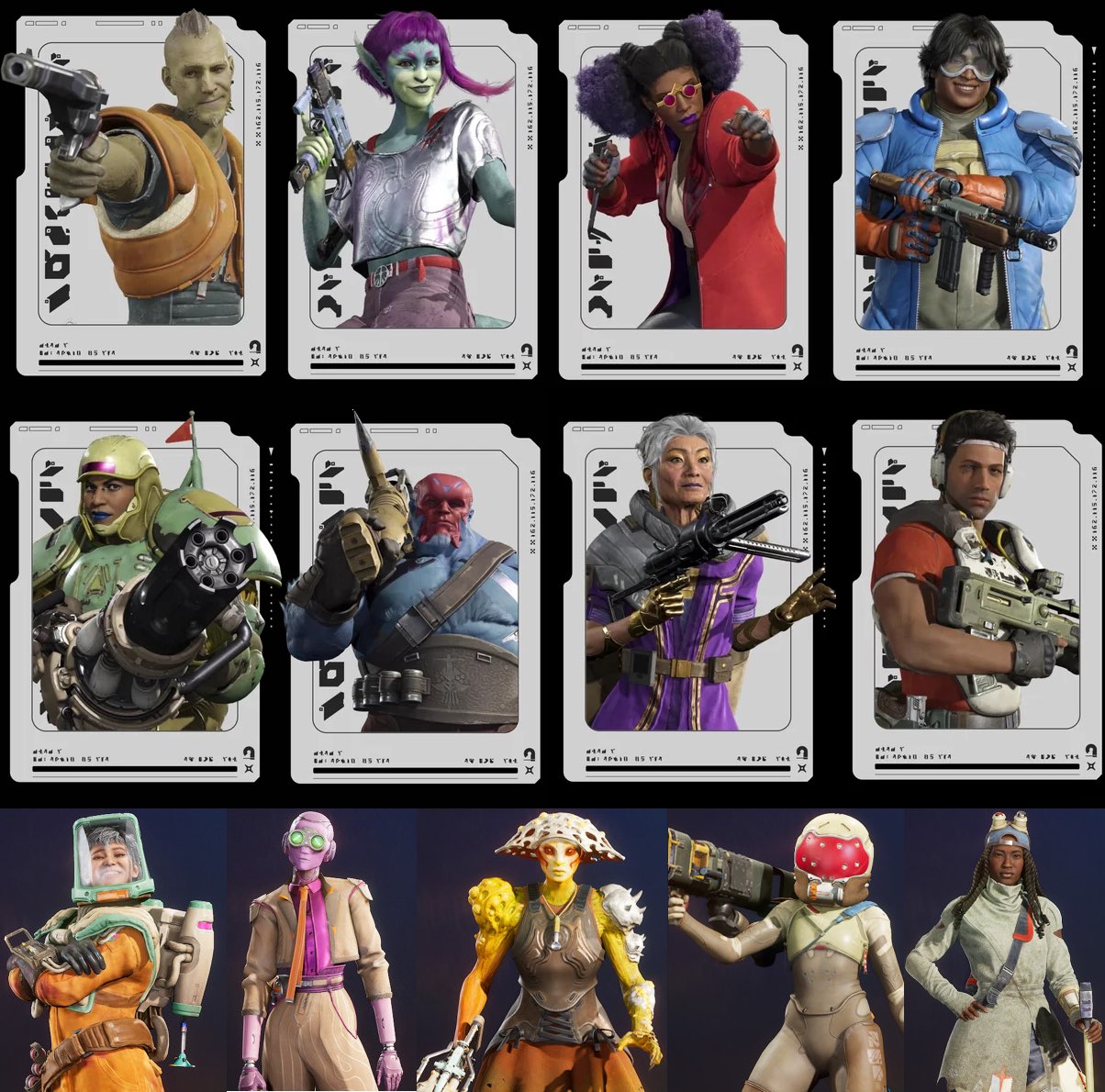
The production values were there. Weekly story cinematics in full motion capture were planned, and Prime Video’s anthology Secret Level gave Concord an episode that was released on 17 December 2024, long after the game had disappeared.
Two weeks, 697 players and an estimated 25,000 copies
On Monday 26 August, Circana ranked Concord 147th among US PS5 titles by daily active players, with fewer than 0.2% of that day’s PS5 players. Analyst Simon Carless estimated about 10,000 copies sold on Steam and 15,000 on PlayStation. Sony has never published sales figures.
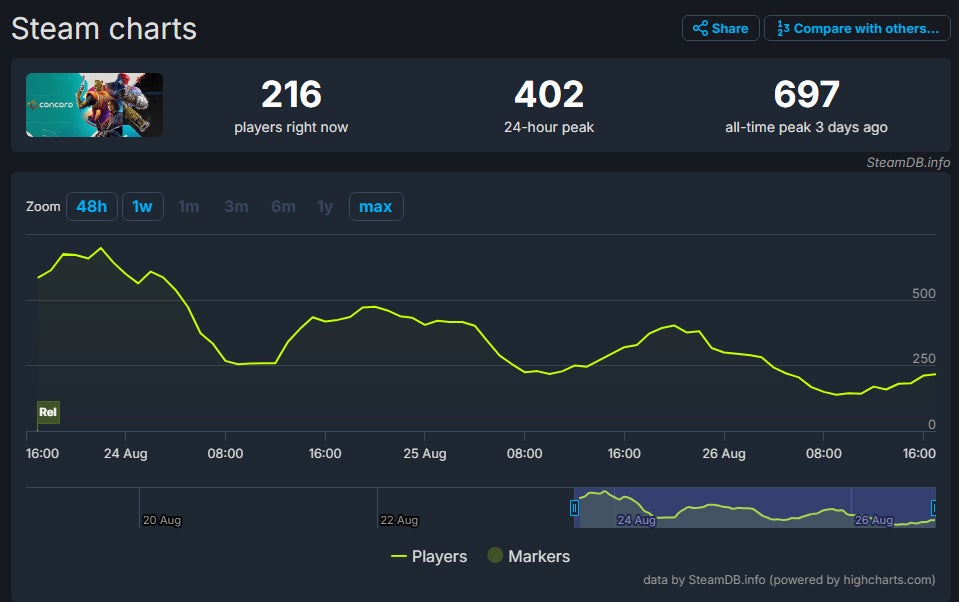
On 3 September, Ellis announced on the PlayStation Blog that sales were stopping immediately, that PS5 and PC buyers would be refunded in full, and that the servers would go offline on 6 September. Some aspects of the game and the launch, he wrote, “didn’t land the way we’d intended”. Once refunded, players lost access to the game. About two weeks later, Kotaku reported that Ellis had told staff he was stepping down as game director.
A studio closed, a budget disputed
On 29 October, Hermen Hulst, head of Sony’s studio business, told staff that the best path was to “permanently sunset the game and close the studio”. Firewalk shut down alongside the mobile studio Neon Koi, about 210 jobs in total according to Bloomberg. Hulst said the PvP shooter genre is competitive and that Sony “did not hit our targets”. Firewalk’s farewell post admitted that some of its bets, such as mixing card battlers and fighting games into a first-person shooter, had not landed.
The cost is harder to pin down. Kotaku reported, from two sources, that Concord’s initial development deal was just over $200 million, a sum that covered neither the purchase of Firewalk nor the IP. It matches the $200 million that ProbablyMonsters, Firewalk’s original parent company, raised in 2021. The $400 million figure that circulated in September came from podcaster Colin Moriarty, citing a developer, and was dismissed by several industry voices: Christopher Dring of GamesIndustry.biz said no game has that budget, and Tom Warren of The Verge pointed to ProbablyMonsters’ funding. The Guardian puts the total somewhere between $200 million and $400 million.
What Sony kept from the wreckage
Sony had been trimming its live-service ambitions for months. In November 2023, president Hiroki Totoki said the company was reviewing the twelve live-service games in its pipeline and would commit to launching only six of them by the end of March 2026. Bungie, which Sony bought for $3.7 billion in 2022, was cutting staff that same summer. Helldivers 2 remained the one big success, and Hulst promised to carry the lessons of Concord into future live-service projects. In June 2025, in a fireside chat with investors, he gave his own verdict: Concord had entered a hypercompetitive segment and was insufficiently differentiated to resonate with players, and Sony had since introduced much more rigorous processes to re-validate its creative, commercial and development assumptions.
In November 2025, volunteers who had reverse-engineered Concord’s online services got matches running on private servers. Sony filed copyright notices against videos of the project, and the team paused its invitations.
Concord also showed how fragile a digital library can be. Sony refunded everyone, which was fair, and every buyer lost the game on the same day. The question grows as Sony itself ends disc production for new games from January 2028. Radion brings your Steam, Xbox, PlayStation and Nintendo libraries together and keeps a record of what you have owned or played. It cannot bring back a game that has been taken offline, but the entry stays in your history. By Kotaku’s account, Sony spent years and more than $200 million on a competent shooter with no hook, and the market gave it two weeks.