Virtual Boy: why Nintendo's 3D console failed
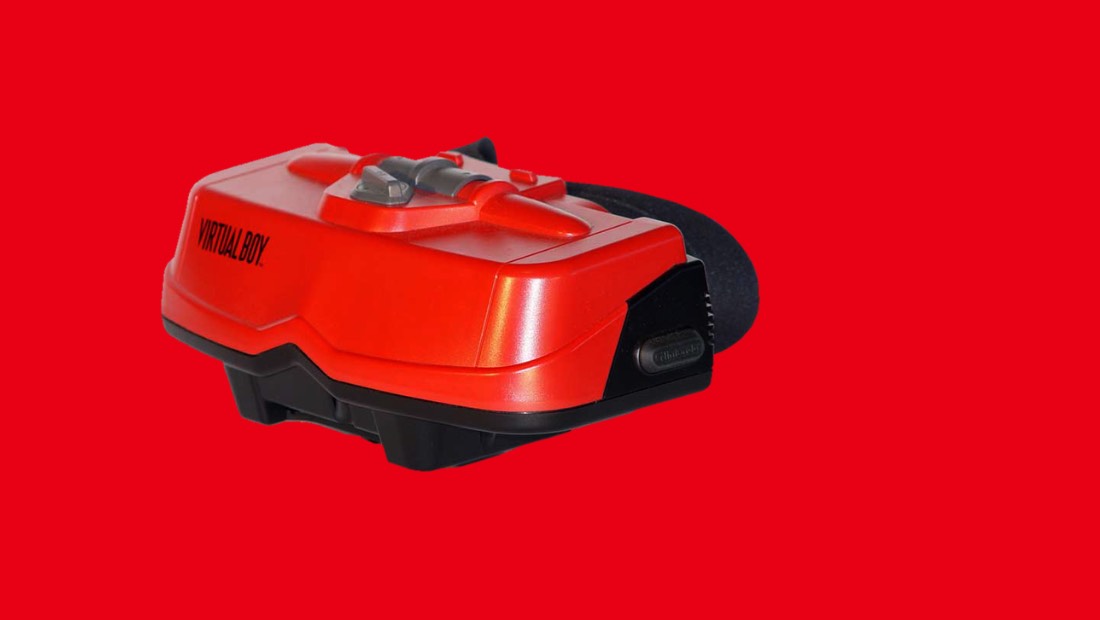
In Japanese second-hand game shops, brand-new Virtual Boy games left unsold since the mid-1990s keep turning up by the hundreds from forgotten warehouses. Nintendo’s console, launched in 1995 with the promise of 3D at home, found only 770,000 buyers. The Wii U, Nintendo’s second-worst seller, still moved 13.6 million. The Virtual Boy is a stack of compromises, each defensible on its own, that added up to a machine almost nobody wanted.
A red screen, for lack of anything better
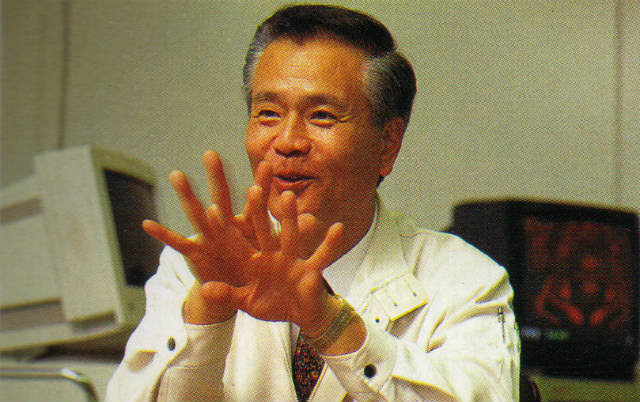
It all starts with technology from outside the company. A small Massachusetts firm, Reflection Technology, had developed a display in the 1980s built from a column of red LEDs and an oscillating mirror. Mattel, Hasbro and Sega all passed, Sega partly out of fear of motion sickness. Gunpei Yokoi, father of the Game Boy and the Game & Watch, saw a chance to apply his motto: get something new out of cheap, well-worn technology. Red LEDs cost little, drew little power, and gave a perfect black that, in his view, created a sense of limitless depth.
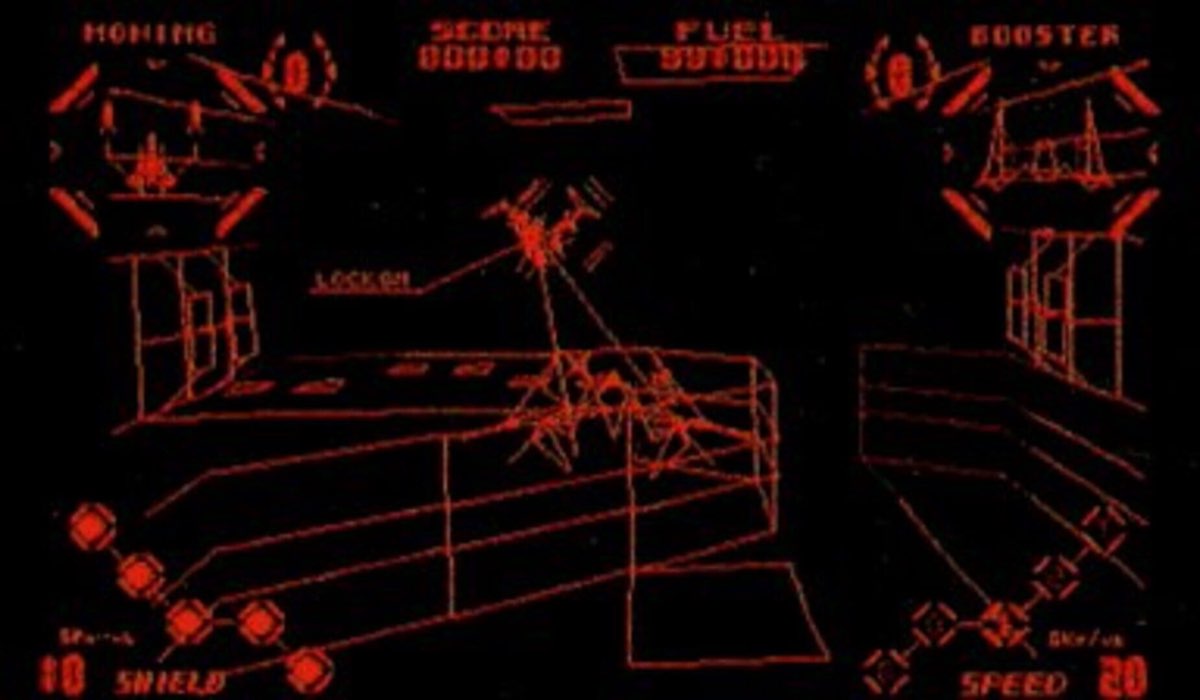
So the red came from cost and technical constraints. Yokoi explained that a test with a colour LCD showed testers a double image instead of depth, and Nintendo and Reflection claimed a colour version would have cost more than $500. You can see the result in Red Alarm, a wireframe 3D shooter with no occlusion, where everything the screen can draw is red on black.
From headset to table-top console
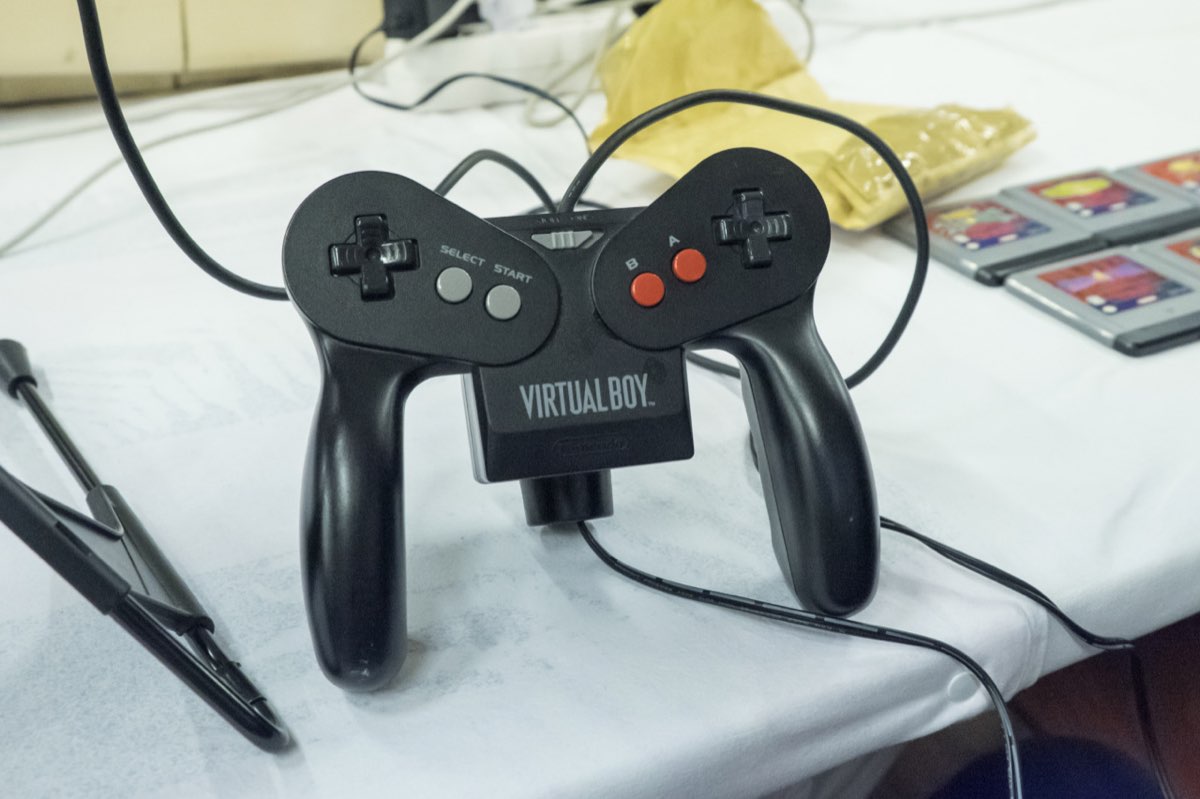
Yokoi first pictured a headset you wear to play on the move. Legal fears changed everything: Japan was adopting a product liability law in 1995, and Nintendo dreaded being held responsible for a fall down the stairs or a car crash with the headset on. The machine ended up on a stand, sitting on a table, with no head tracking. It still ran on six AA batteries, which suggested a portable. Nintendo pitched it as the next step after the Game Boy, something Yokoi never intended, and the public never worked out whether it was a handheld or a home console.
The timing did not help. The 32-bit generation had kicked off in late 1993 with the 3DO and the Atari Jaguar, then the PlayStation and the Sega Saturn arrived, while the Nintendo 64 was not expected before 1996. According to Ars Technica, Nintendo needed a product to keep shareholders patient, and Yokoi doubted the device’s commercial prospects in that state. The first 32-bit machines had not fared well either: the 3DO and the Jaguar had failed to dislodge the entrenched 16-bit consoles, and the Apple Pippin would meet a similar fate in 1996. Shigeru Miyamoto, for his part, barely took part in the project, as the N64 soaked up the company’s resources.
A high price and too few games
The console launched in Japan on 21 July 1995, then in North America in August at $179.95, well above a Game Boy. Nintendo of America had hoped for 1.5 million consoles, and only 350,000 had shipped by December 1995. In the end, 140,000 units went to Japan and 630,000 to North America. Europe was never served at all.
On the software side, the library comes to 22 titles, 19 of them released in Japan and 14 in North America. Virtual Boy Wario Land is the star, along with Mario’s Tennis. There is also Teleroboxer, which has you boxing robots, and Galactic Pinball, a pinball game with depth.
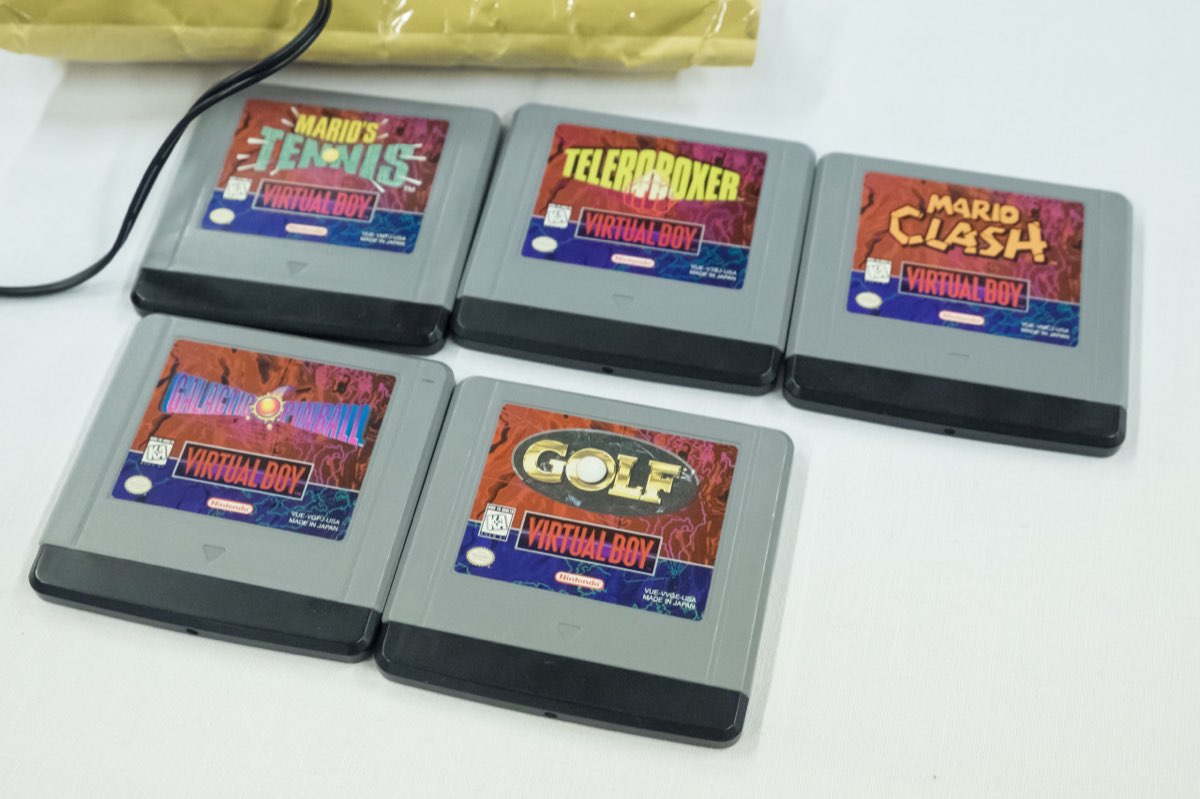
Apart from Mario and Wario, no major franchise made the trip. According to Yokoi, president Hiroshi Yamauchi had also ordered that only a few third-party publishers get to see the machine before its official unveiling, for fear of mediocre software.
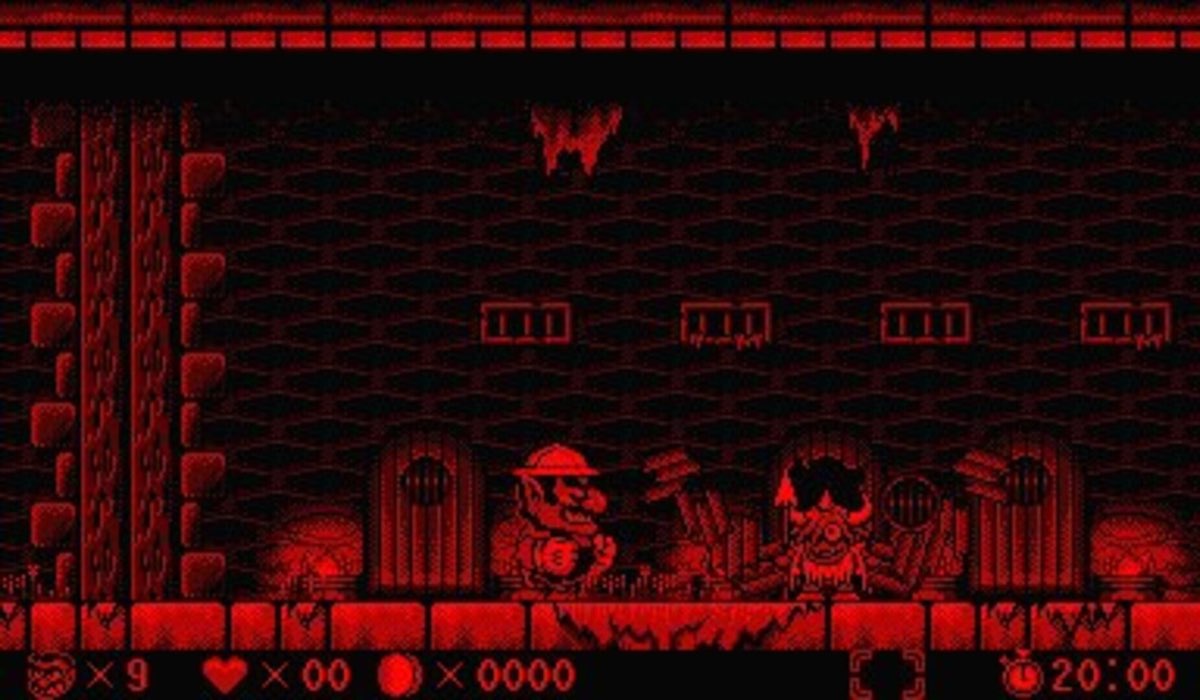
Headaches, marketing and a lightning exit
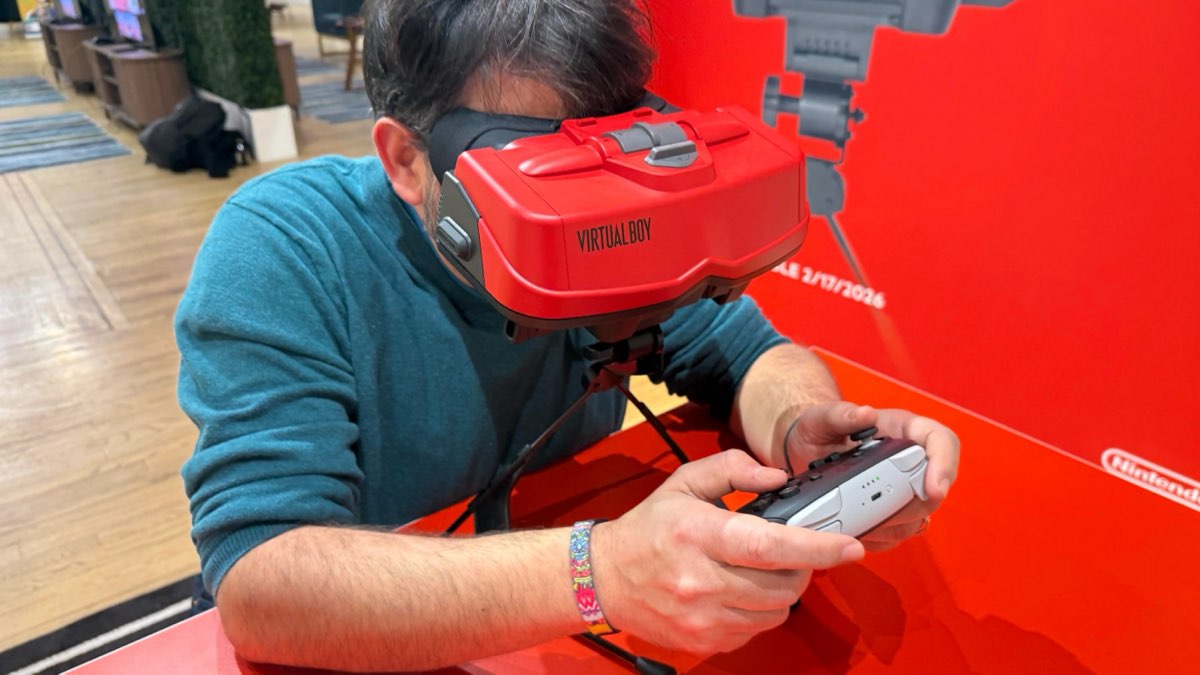
Playing meant leaning over an eyepiece, and back and neck pain soon followed. The console was also accused of causing headaches, dizziness and nausea, and rumours even spoke of permanent eye damage. Nintendo added an option to auto-pause every 15 to 30 minutes to every cartridge, which says a lot about what players were expected to endure.
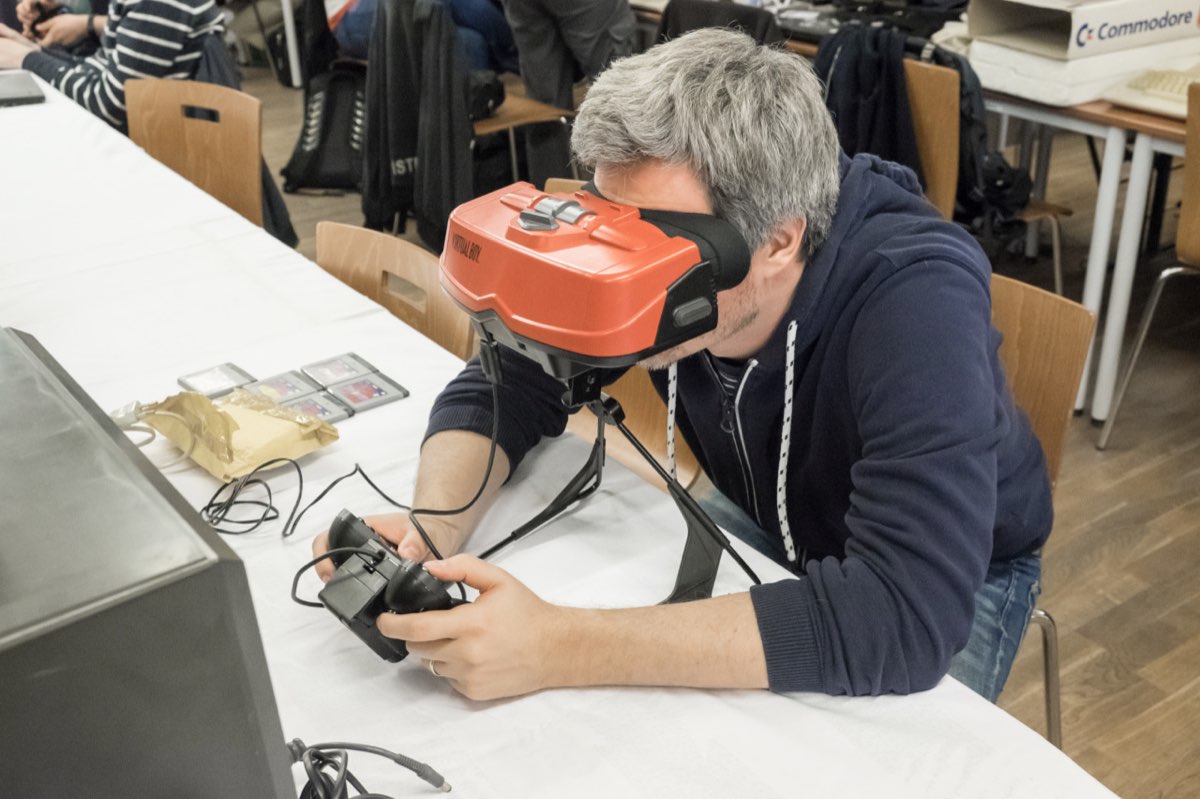
The promotion was expensive: Nintendo says it spent $25 million. Through a tie-in with Blockbuster and NBC, Americans could rent the console for $10. Wikipedia counts the scheme among the mistakes, since the rental mostly let the curious see how thin the promised immersion really was.
After that, everything moved fast. In Japan, production stopped on 22 December 1995, five months after launch. In the US, the console vanished in August 1996 without an announcement. The last official game came out in March 1996. In between, the price fell to $159.95 in October 1995, then $99 in May 1996, and you could find units on clearance for $30. The most credible explanations for the shutdown: no games in the pipeline to revive sales, and a late Nintendo 64 that demanded all the attention. Howard Lincoln, then chairman of Nintendo of America, summed it up by saying the console simply “failed”.
Did Gunpei Yokoi pay the bill?
The most common version is that Nintendo made Yokoi the fall guy. He left the company in August 1996, went on to work with Bandai on the WonderSwan, and died in 1997 in a road accident, according to Nintendo Life. The story is disputed, though. Nintendo has always maintained that his departure was “absolutely coincidental”, that Yokoi had planned to retire at 50, and that he had just finished the Game Boy Pocket. One thing is certain: he had not wanted this rushed release.
Thirty years on, a return on Switch
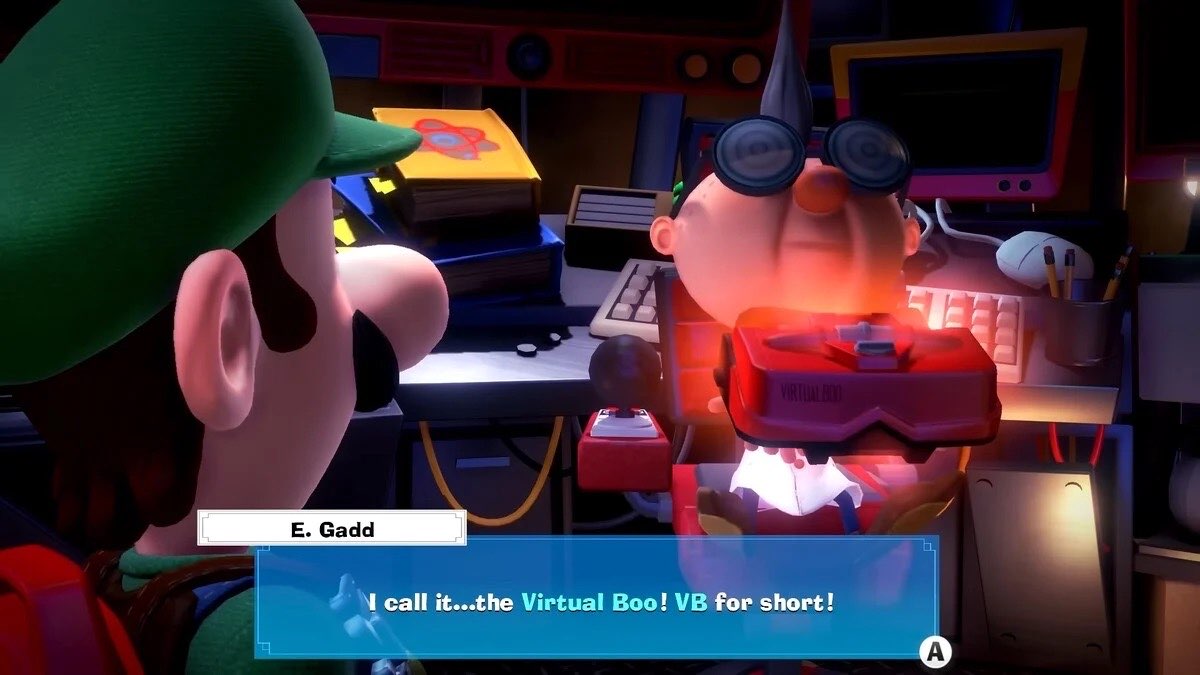
Nintendo now laughs about it. In Luigi’s Mansion 3, Professor E. Gadd hands Luigi a red-and-black device, the “Virtual Boo”, promising it will “fly off the shelves”. As for stereoscopic 3D, it came back in 2011 with the Nintendo 3DS.
More to the point, following an announcement in the September 2025 Nintendo Direct, the Virtual Boy library arrived on 17 February 2026 on the Nintendo Switch and Switch 2, but in the United States and Canada only, with a Switch Online + Expansion Pack subscription. You also need an accessory: $100 for the plastic replica, $25 for the cardboard one. The site The Sixth Axis complained that the eyepiece height is not adjustable, which forces you to hunch over, and Shacknews reports a splitting headache after a few minutes. An update on 4 August 2026 added two never-released games, Zero Racers and D-Hopper (Dragon Hopper in Japan), along with a choice of screen colour. After thirty years, red is no longer mandatory.
A rare game or console is easy to lose track of in a scattered collection. Radion brings your Steam, Xbox, PlayStation and Nintendo libraries together in one place and keeps a record of what you have played or owned. It won’t make the Virtual Boy any more comfortable, but knowing what you already have at least spares you from buying a game twice. An idea ahead of its time struggles to find buyers when nobody can play it for more than ten minutes without a migraine.