Flappy Bird: the true story of a viral phenomenon
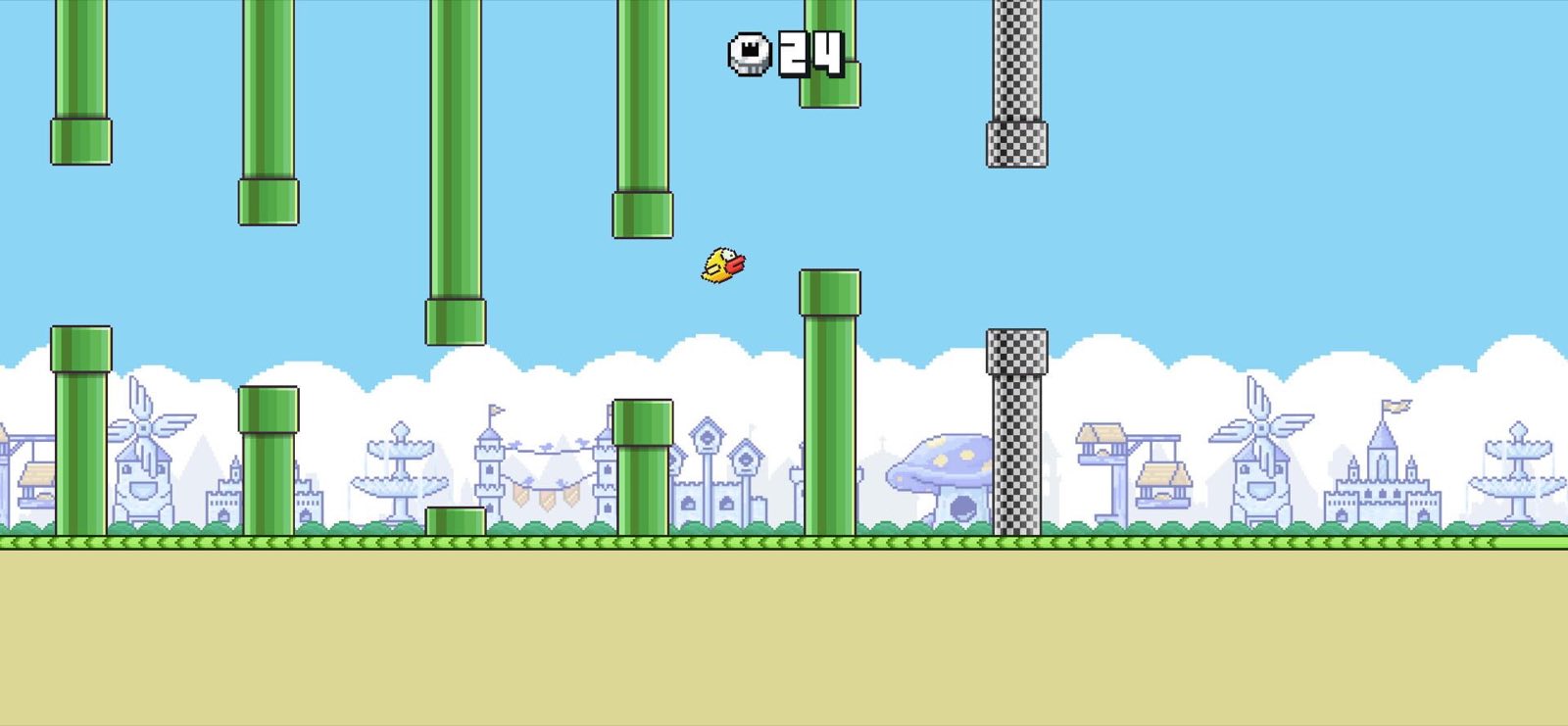
The story of Flappy Bird fits into a handful of months: an unknown developer releases it to no reaction, it explodes without warning eight months later, and its creator pulls it himself at the peak of its success because he can’t take it anymore. More than a decade on, the name keeps resurfacing, revived by strangers in a form its original creator says he doesn’t recognize. Here is how it all unfolded, and where the game and its author stand today.
A lone developer in Hanoi
Before Flappy Bird, Dong Nguyen was a 28-year-old programmer based in Hanoi, Vietnam. He grew up in Vạn Phúc, a nearby village, playing pirated copies of Nintendo games, and coded his first chess program at 16. After studying computer science, he landed an internship at Punch Entertainment, one of the few Vietnamese studios of the time, coding sports games for mobile. Once he got his hands on an iPhone, the hit games of the moment left him cold: he found Angry Birds too visually cluttered, and wanted something leaner, built to be played one-handed on a crowded train, as he later told Rolling Stone.
Three days of code over a public holiday
In late April 2013, over Vietnam’s Reunification Day long weekend, Nguyen stayed home at his parents’ house coding instead of joining the celebrations. In two or three days he put together a game he first called “Flap Flap,” renamed Flappy Bird before release. The character, a small yellow bird nicknamed Faby, came from a drawing he’d made a year earlier for a platformer that never shipped. Nguyen later told Polygon the concept grew out of the childhood exercise of bouncing a ping-pong ball on a paddle for as long as possible: a repetitive, simple motion that’s nearly impossible to keep up without a mistake. The green pipes were a deliberate nod to Super Mario Bros., the game Nguyen had played most as a kid.
Eight months to become a phenomenon
Flappy Bird launched on iOS on May 24, 2013, with no promotion, and went nowhere. The first tweet to mention the game, five months later, says a lot about its reception: three words, “Fuck Flappy Bird.” The viral break came in late 2013, helped along by a video from YouTuber PewDiePie that put the game in front of a huge audience. On January 17, 2014, Flappy Bird hit number one among free games on the US App Store; the Android version followed on January 30. The game also topped the UK and Chinese charts, where the press billed it as the new Angry Birds.
$50,000 a day, and a wave of criticism
In early February 2014, Nguyen confirmed to The Verge that the game was pulling in around $50,000 a day from in-app ads, a figure quickly picked up by Forbes. The success drew instant criticism: the green pipes and overall look struck many observers as lifted straight from Mario, and Kotaku ran a headline claiming the game was raking in that money “off ripped art,” before issuing a correction clarifying that the pipe was in fact a new, if unoriginal, drawing. Vietnamese and French newspapers also flagged a striking resemblance to Piou Piou vs. Cactus, a French game released in 2011 whose creator, known as Kek, later confirmed he’d noticed the similarity too, without accusing Nguyen of consciously copying him.
“I cannot take this anymore”
On February 8, 2014, Nguyen posted a tweet that went around the world: “I am sorry Flappy Bird users, 22 hours from now, I will take Flappy Bird down. I cannot take this anymore.” The message was retweeted over 145,000 times.
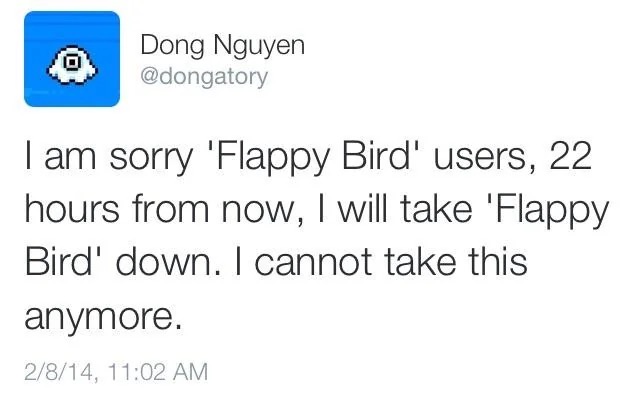
The next day, exactly as promised, the game vanished from the App Store and Google Play, after a final surge of 10 million downloads in 22 hours. Rumors pointed to a legal threat from Nintendo over the pipes; the company flatly denied it to the Wall Street Journal. In an interview with Forbes a few days later, Nguyen framed the decision differently: “Flappy Bird was designed to play in a few minutes when you are relaxed. But it happened to become an addictive product. […] To solve that problem, it’s best to take down Flappy Bird. It’s gone forever.” He added that he’d lost sleep over the media pressure and the reporters harassing his family.
The eBay rush and the clone invasion
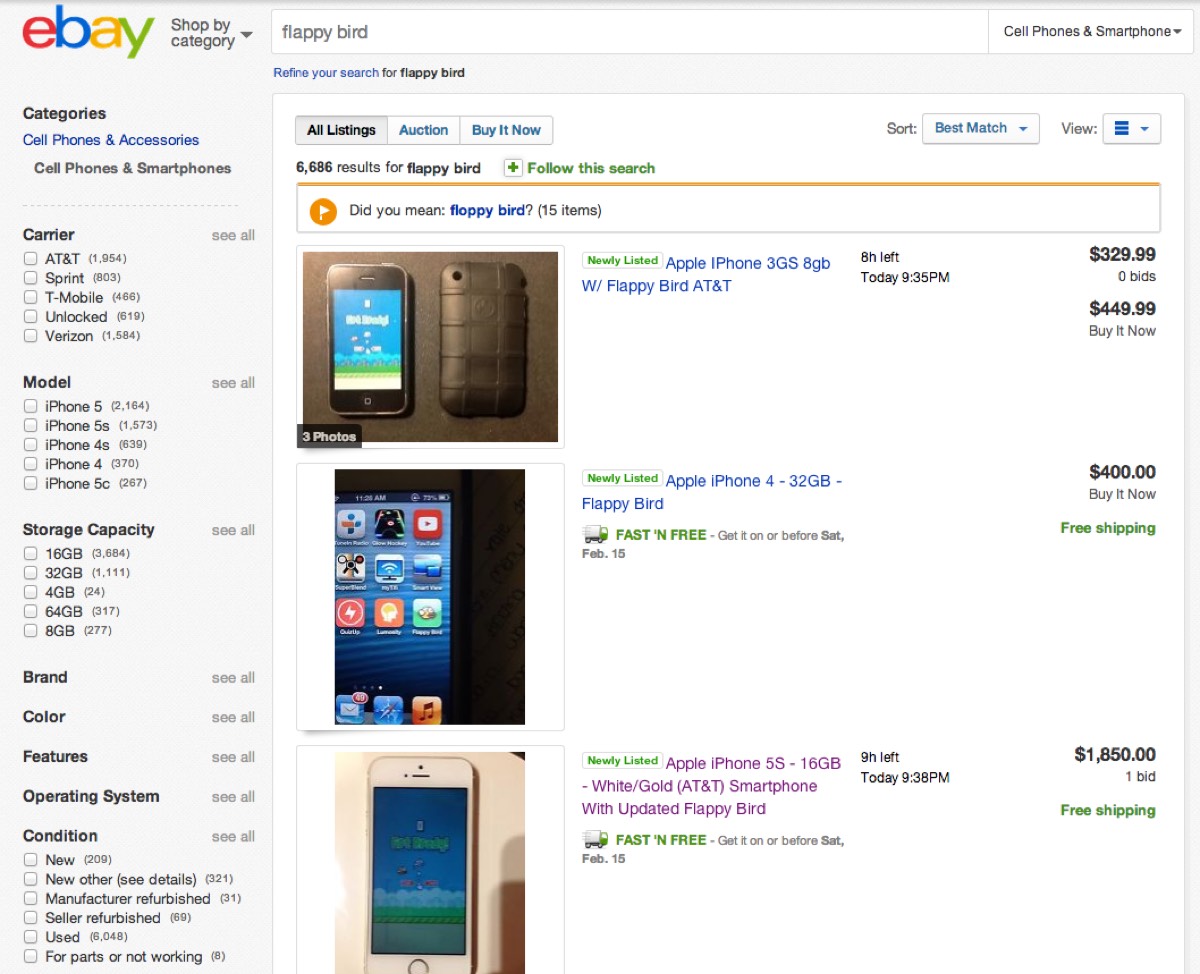
The removal instantly set off a scramble for secondhand phones that still had the game installed. The Guardian reported eBay bids climbing to $90,000 for an iPhone 5, while the Los Angeles Times covered a $99,900 offer, later noting that these record bids disappeared, likely inflated by fake accounts. eBay eventually pulled the listings for violating its rule requiring phones to be factory-reset before resale. Meanwhile dozens of clones flooded the App Store, to the point that Apple and Google started systematically rejecting any new app with “Flappy” in its name.
After Flappy Bird, a quiet career
Far from disappearing, Nguyen kept making games with his studio, .Gears. In March 2014 he told Rolling Stone he wasn’t ruling out a comeback for the game, provided it shipped with a warning telling players to take a break. In August 2014, a revised version called Flappy Birds Family launched exclusively on Amazon Fire TV, with a multiplayer mode. Swing Copters followed that same year, then Swing Copters 2 in 2015, and Ninja Spinki Challenges!! in 2017, co-developed with Japanese studio Obokaidem. The last known .Gears release, BOOP, came out in 2022, when the studio had roughly five employees, Nguyen included. In 2017, iOS 11 quietly made the original unplayable by dropping support for 32-bit apps, a kind of silent farewell to the original game.
A decade later, a revival without its creator
On January 12, 2024, the US trademark office declared the “Flappy Bird” trademark abandoned after Nguyen failed to renew it in time. A company called Gametech Holdings picked up the rights, along with those to Piou Piou vs. Cactus, going as far as hiring its creator, Kek. On September 12, 2024, operating as “The Flappy Bird Foundation,” Gametech announced the game’s revival: a version built on the Solana blockchain, with its own cryptocurrency called “Flap Token,” initially exclusive to Telegram. The reaction online was frosty, torn between accusations of trademark grabbing and rejection of the crypto mechanics. Three days later, Nguyen broke seven years of Twitter/X silence to shut down any confusion: “I did not sell anything. I also don’t support crypto,” Polygon reported. The project’s developers responded by promising there would be no NFTs and framing the “Web3” features as optional.
In April 2025, a crypto-free version of Flappy Bird arrived on the Epic Games Store for Android, published by Flappy Bird Publishing and monetized purely through ads and standard in-app purchases. It brought back the original classic mode and added a “Quest” mode with new settings. Critics remained split: TechRadar argued the remake would never recapture the original’s clumsy charm and only trades on nostalgia, while PC Gamer admitted a mix of irritation at the trademark grab and morbid curiosity about watching the game crash into a pipe all over again.
Where Dong Nguyen stands today
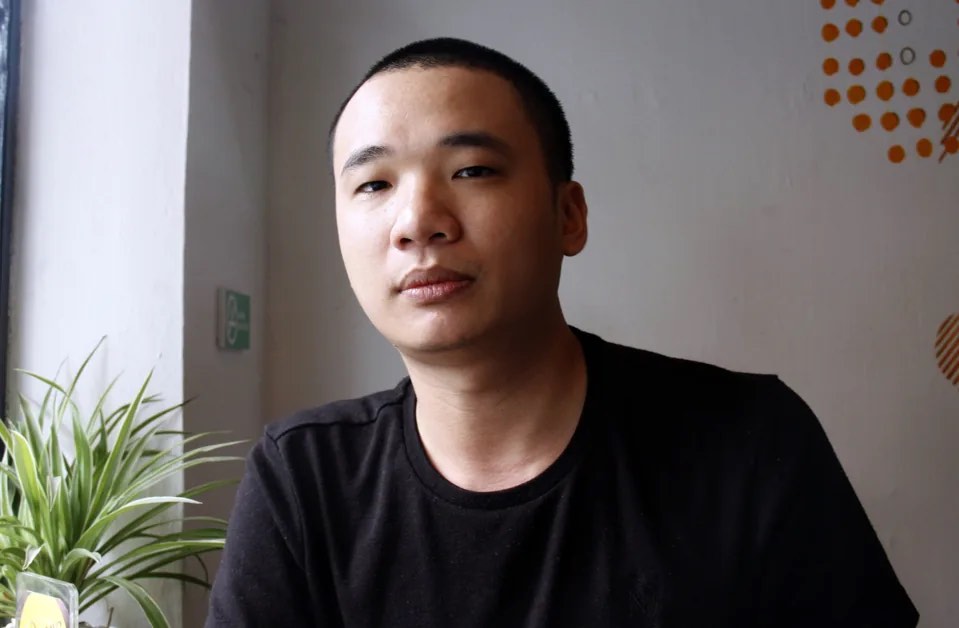
The original creator has nothing to do with this version. His last known public statement remains that September 2024 tweet disavowing the project, and .Gears hasn’t announced a new game since BOOP in 2022. After the media storm of 2014, Nguyen consistently said he just wanted to keep making games quietly, away from the spotlight, and nothing since suggests he’s changed his mind.
The whole saga is a good illustration of a bigger headache: the same game name, three different versions, spread across three generations of platforms, with rights that changed hands without players ever really following along. It gets hard to know what you actually own, or which version of a game you finished ten years ago on a phone that’s long gone. Radion won’t get you your old iPhone full of Flappy Bird runs back, but it does bring together what you own and what you’ve played across Steam, Xbox, PlayStation, and Nintendo in one place, which at least spares you that particular kind of confusion for everything that came after.