Majora's Mask: the one-year challenge Miyamoto set
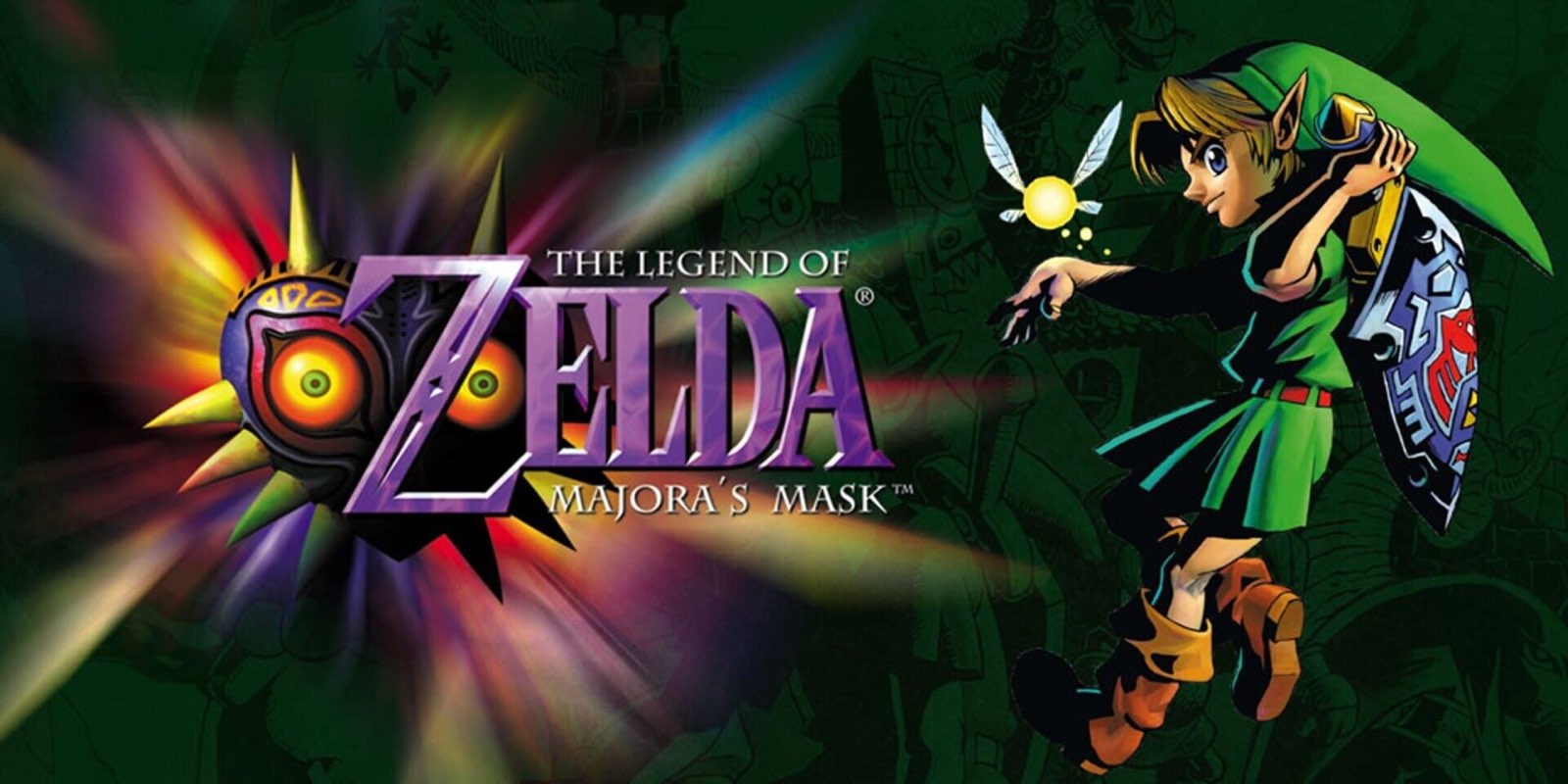
In 1999, Shigeru Miyamoto challenged Eiji Aonuma: build a new Zelda for the Nintendo 64 in one year, not a day more, after the three years Ocarina of Time had taken. In practice, Majora’s Mask would take fifteen months to make, but the urgency of that original bet shaped the whole design: a moon threatening to crush the world on a permanent countdown, townspeople living out their last days without knowing it, which is why the game is still known as the darkest Zelda in the series. Here is the story of that sprint, sourced step by step.
A year, instead of reworking dungeons he already considered perfect
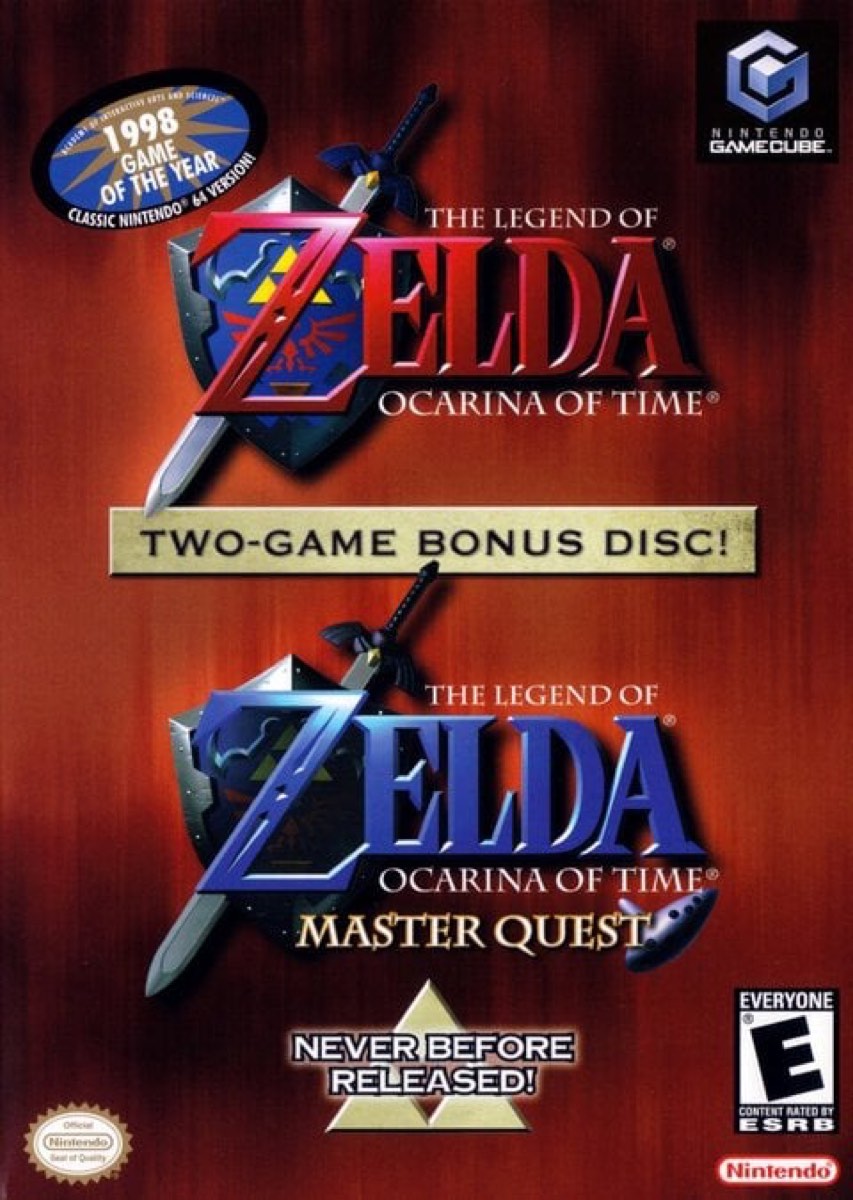
Nintendo was planning Master Quest, a harder version of Ocarina of Time’s dungeons for the 64DD, a disk drive add-on that never left Japan. Aonuma’s assignment: make those dungeons tougher. He told Satoru Iwata, in an official Nintendo interview, that he had just spent three years polishing them and refused to touch them again. He started secretly sketching brand new dungeons instead, an experiment that gave him the nerve to pitch something else to Miyamoto: not a remix, but a new Zelda. Miyamoto agreed, but set one condition: finish it in a year. Aonuma admits he just sat there “holding his head” when he heard it. Master Quest, set aside, would only resurface years later in a different form.
A trade between colleagues gives birth to the countdown
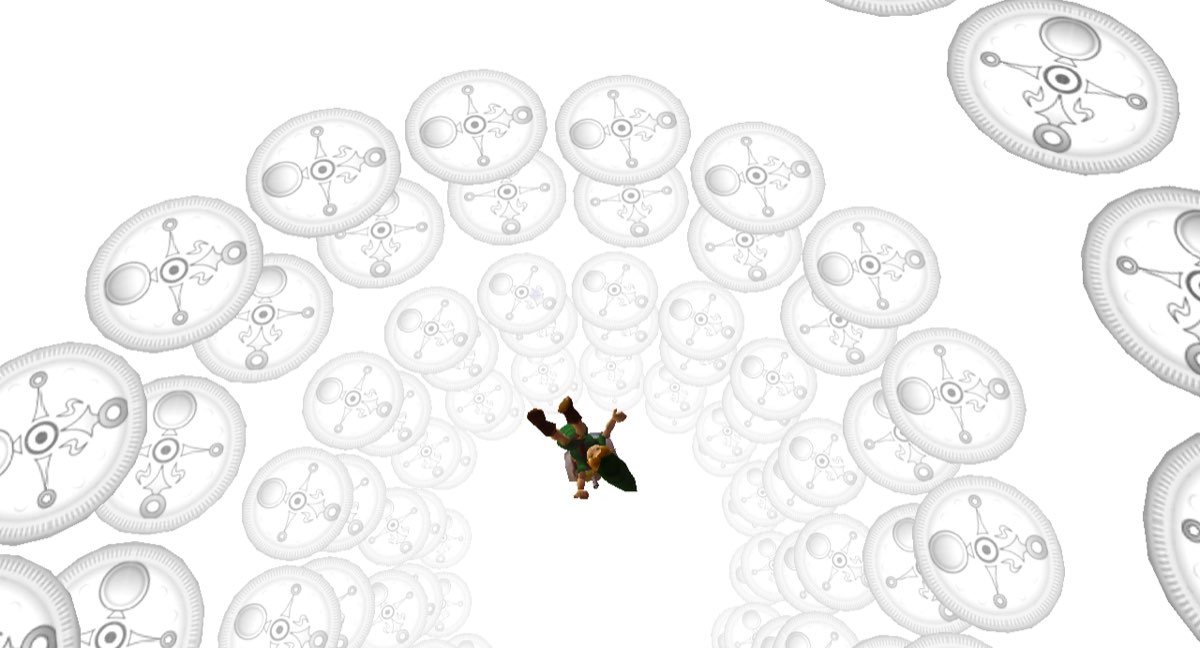
Miyamoto’s challenge wasn’t enough on its own: it still needed an idea strong enough to fit the deadline. Aonuma turned to Yoshiaki Koizumi, who was working on a concept for a compact world meant to be replayed over and over. In the same interview, he describes a trade: Koizumi helps, on condition they reuse Ocarina of Time’s day and night cycle to make the player relive the same moments. Out of that came the Three-Day System, the backbone of the game. A detail few know: the loop was originally meant to span a full week, cut to three days because, Aonuma says, a player sent back to day one had zero appetite for redoing seven days of content to memorize.
Masks born from a character left on the shelf in Ocarina of Time
That pressure didn’t stop the team from innovating elsewhere. As Aonuma tells it, Link turning into Deku, Goron, or Zora form comes from an underused character in Ocarina of Time, the mask salesman, whom the team wanted to give a real purpose: what if a mask literally changed who Link was, instead of just unlocking an ability? Hence Deku Link to fly, Goron Link to roll across land, Zora Link to swim, each with his own storyline.
A premonitory dream, a moon born from daydreaming, a wedding inspired by a missile
Development also left behind some more personal traces: under the pressure, the line between the team’s daily life and the game itself seems to have blurred, to the point that its developers’ everyday lives fed directly into its content. While working on a Deku-related event, Aonuma had a nightmare about being chased by one and woke up screaming. The next day, animator Takumi Kawagoe showed him a cutscene he had just finished without discussing it with anyone, and it matched the dream, he tells Iwata, almost beat for beat.
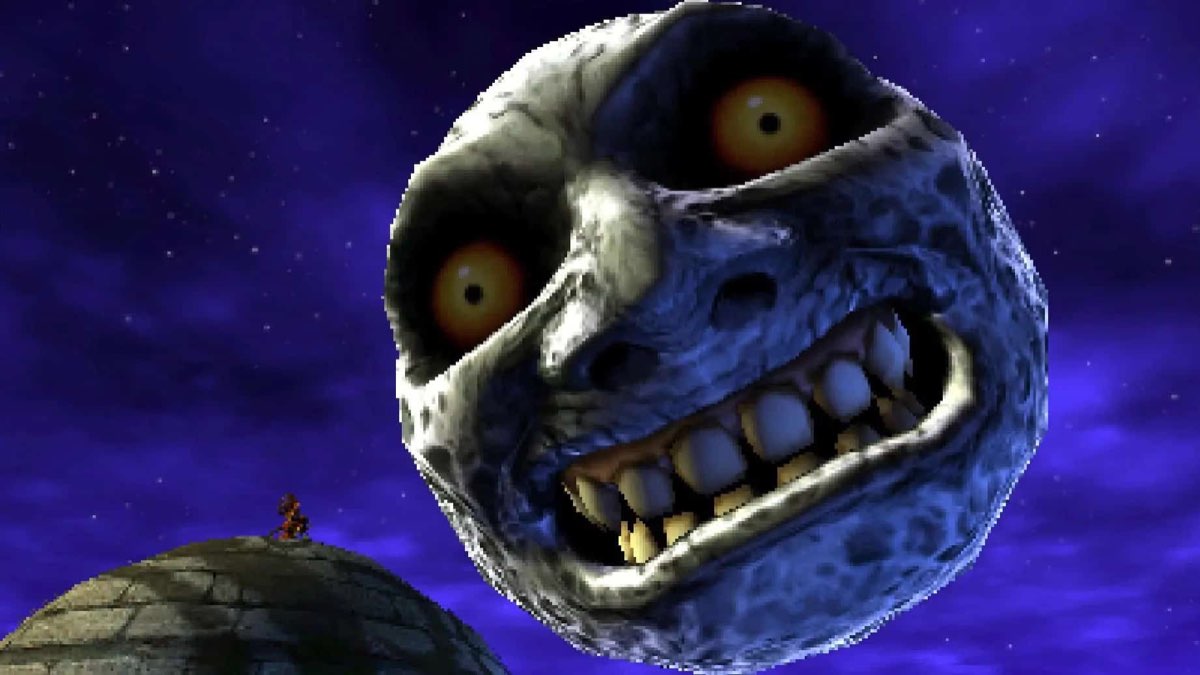
The moon crashing into Termina reportedly has an equally personal origin. According to Yoshiaki Koizumi, speaking to the Official Nintendo Magazine, the idea came to him while looking up at the real moon and wondering what would happen if it started falling.
The geopolitics of the era reportedly inspired a gentler quest. In 1998, Japan lived through the unauthorized overflight of a North Korean Taepodong-1 missile. Aonuma, attending a colleague’s wedding that same day, told Nintendo Dream, later translated by Nintendo Everything, that he joked with Koizumi about how strange it felt to celebrate a wedding under the threat of missiles. That is the anecdote he presents as the starting point of the Anju and Kafei quest (minor spoiler for a side story, open it if that doesn’t bother you):
Ninety tracks, and instruments instead of spells
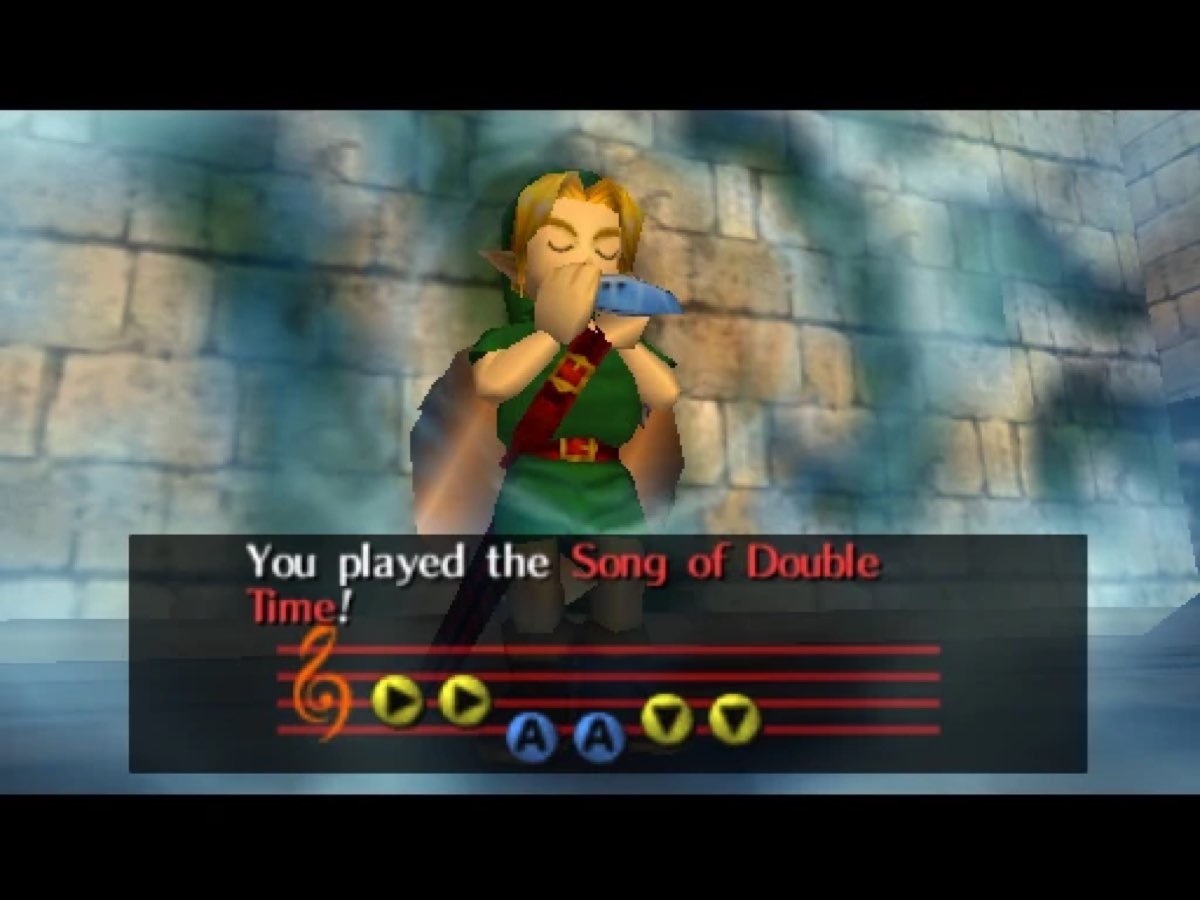
The music didn’t escape that tight schedule either. Koji Kondo composed close to ninety tracks for Majora’s Mask, his largest output on a single game at the time, as he explains in an interview translated by Shmuplations. Rather than magic spells, he pitched instruments where each melody changes the world: the Deku pipes, Goron drums, Zora guitar.
From hospitality to challenge, and Aonuma’s one all-nighter
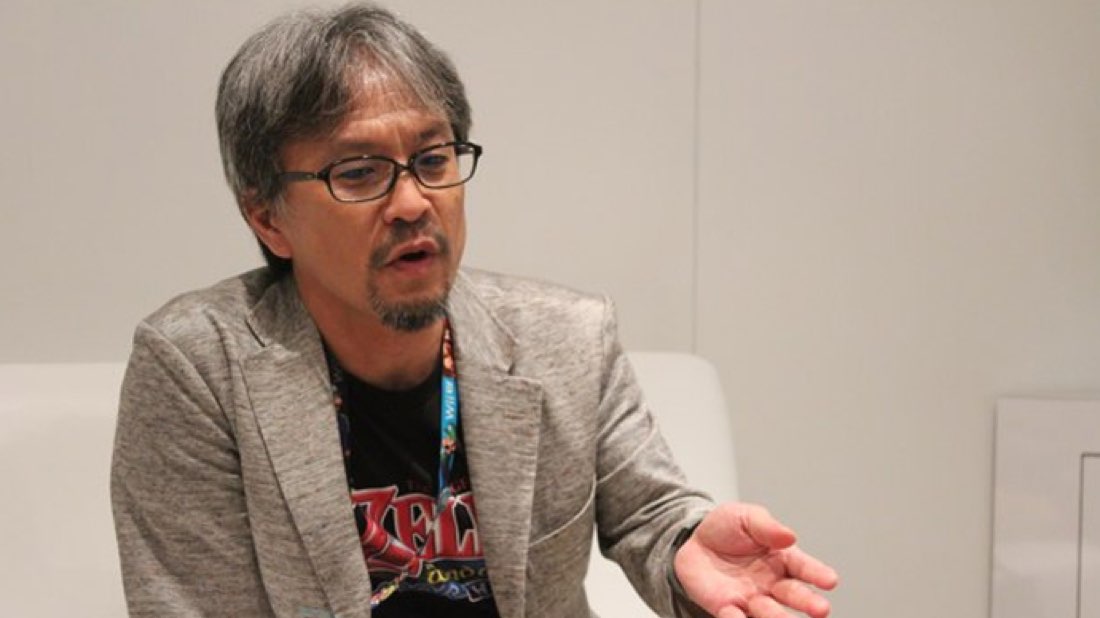
That same urgency resurfaces in the game’s design philosophy. Fifteen years after release, Aonuma told Iwata a principle he had never put this clearly before: Ocarina of Time aimed for “hospitality,” while Majora’s Mask throws down an almost hostile challenge, with no real hint system. Replaying the original to prepare the 3DS remake, he ran into whole areas almost nobody had found, for lack of any clue pointing there, and drew up an internal list of them, the “what in the world” list. Toward the end of development, with the team running on fumes, Miyamoto offered to push the release date back. His answer, as he recounts it to Iwata: “There’s no way we can do that now!” The game finally shipped after fifteen months, three more than the deadline Miyamoto had set. That final stretch cost him, among other things, the one all-nighter of his career up to that point, spent redoing an animated cutscene Miyamoto had rejected, according to an account reported by Game Developer.
A quiet launch for a Zelda unlike any other
Majora’s Mask launched in Japan on April 27, 2000, without a console bundle. It sold around 3.36 million copies on Nintendo 64, less than half of Ocarina of Time’s 7.6 million.
That forced sprint didn’t just produce a game made in a hurry. By reusing Ocarina of Time’s engine and cast instead of building from scratch, the team ended up condensing rather than expanding: a world narrowed down to Termina, a handful of characters encountered again and again in different forms, an ending that replays endlessly until you understand it. The result is a Zelda more experimental and more compact than Ocarina of Time, born from the calendar constraint rather than in spite of it.
A game built for you to keep coming back to deserves at least being remembered where you left it.