Google Stadia: why Google's cloud gaming service failed
On 18 January 2023, Google switched off the servers of Google Stadia, the game streaming service it had launched three years earlier. Google refunded the controllers, refunded every game bought, and moved on. The failure of Stadia is surprising in one respect: the technology worked and Google had limitless resources, yet the audience never showed up.
From Project Stream to Stadia, a pitch with no equivalent
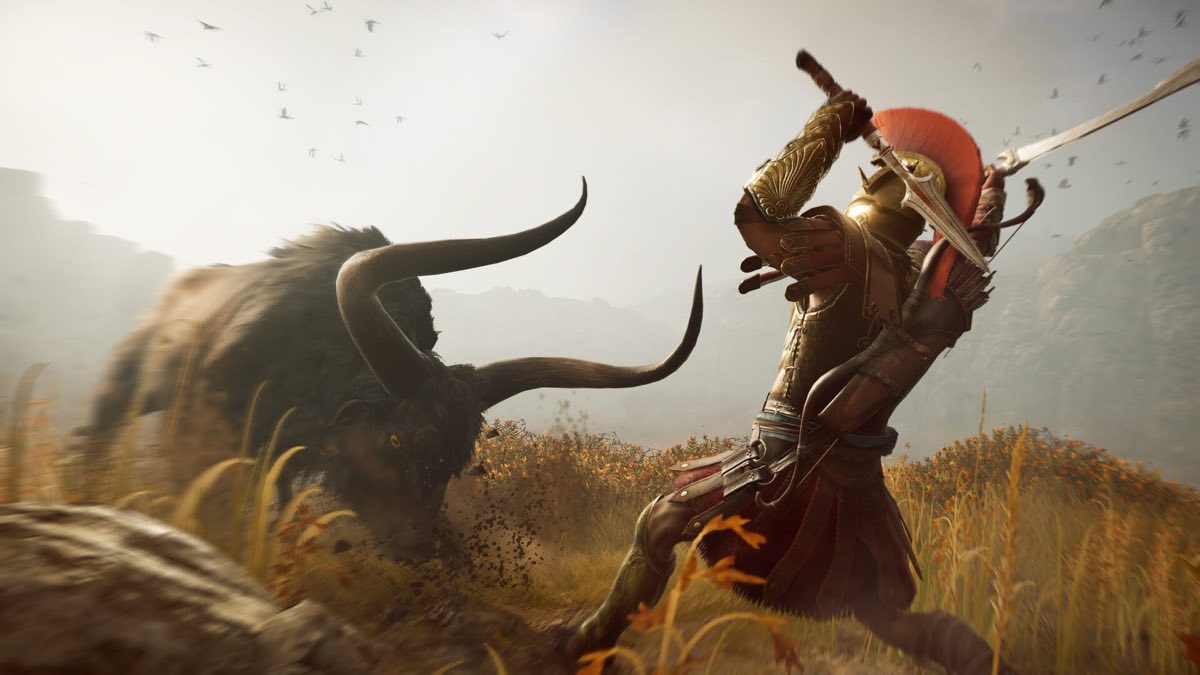
It starts in October 2018 with “Project Stream”, a closed beta in which American testers played Assassin’s Creed Odyssey inside Chrome, with nothing to install. In March 2019 at GDC, Sundar Pichai unveiled Stadia, the platform meant to turn that trick into a product: a AAA game that starts in seconds, on a browser, a phone or a TV.
Phil Harrison, who ran Stadia, made no secret of his enthusiasm. He told the BBC that seeing Red Dead Redemption 2 streamed to a phone, “pixel perfect”, was a leap forward for the industry. On paper the offer looked good: no console to buy, no installs.
A launch that was a paid beta
Stadia opened on 19 November 2019 in fourteen countries. The starter pack cost $129 with a controller and a Chromecast Ultra, the Pro subscription was $10 a month after a three-month trial, and each premium game cost $20 to $60 on top. The launch line-up had 22 titles, nearly all of them available elsewhere.
The Verge, which admitted the service ran better than anything it had tested in a decade of cloud gaming, still delivered a harsh verdict: Stadia was a beta Google was charging real money for, nobody had a reason to buy in, and early adopters paid three times (hardware, subscription, games). Achievements, capture sharing and voice chat were missing, and the controller’s Bluetooth was disabled. As for “4K”, Bungie confirmed that Destiny 2 rendered at a native 1080p and was then upsampled, with settings equivalent to medium on PC.

The timing, though, favored Stadia. A free tier arrived in spring 2020, in the middle of lockdown, when millions of people were looking for something to do at home. YouTube integration, the idea that was supposed to turn every video into a door into the game, never materialized.
A library that gave no reason to join
A game bought on Stadia could only be played on Stadia. None of the libraries already built on Steam, Xbox or PlayStation came along, and every publisher had to produce a dedicated version. Google’s own research on the question gave two criteria for choosing a platform: the breadth of the catalog and where friends play. Stadia had neither.
Dov Zimring, a former product lead on the service, described the mechanism in testimony filed in the FTC’s case against Microsoft: a self-sustaining cycle. Without AAA games, players did not subscribe, and without subscribers, publishers did not invest. Activision talked with Google for a while, regularly asked for subscriber numbers, then walked away because they were so low. According to figures from the UK competition authority, Stadia held between 5 and 10% of cloud gaming in 2021 and between 0 and 5% in 2022.
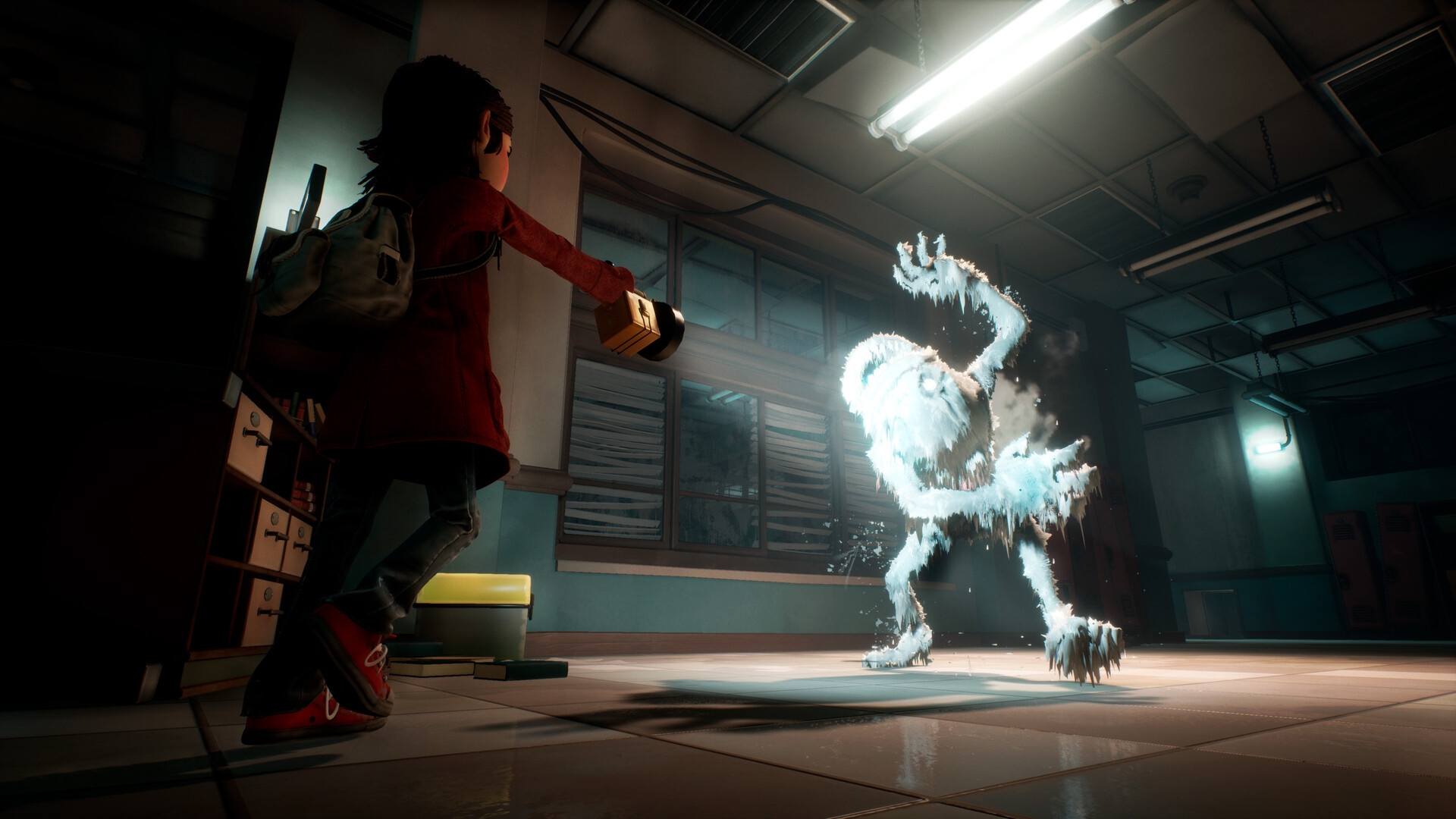
Exclusives did not fill the gap. Gylt, Tequila Works’ horror game, was the only new exclusive at launch. Stadia Games and Entertainment, Jade Raymond’s division, published a handful of titles before Google shut it down on 1 February 2021. Phil Harrison cited the exploding cost of making games, Raymond left Google, and she went on to found Haven, which recruited several Stadia executives. Zimring says the business plan was revised the same month, with subscriber targets cut sharply. Even after that revision, the service could not find enough subscribers to stand on its own.
Developer trust was not there either. In February 2021, Andrew Spinks of Re-Logic announced the cancellation of Terraria on Stadia after Google disabled his account, along with a 15-year-old email address. Google eventually restored access, and Terraria was back on the schedule.
The day Google pulled the plug
On 29 September 2022, Phil Harrison wrote on Google’s blog that Stadia, built on a strong technical foundation, had not found the audience Google expected. A few weeks earlier, the service’s official account had insisted Stadia was not going anywhere. Employees learned of it through an email sent at 7 am Pacific for a meeting at 8:30. Partner publishers read the news: Mike Rose of No More Robots, who had a release planned on the platform in November, wrote hours later that he had heard nothing from Google.
Refunds covered hardware bought on the Google Store, plus games and add-on content. They began on 9 November 2022. Stadia Pro subscriptions were not refunded. Save files only followed if the publisher took care of it: CD Projekt let players export theirs from Cyberpunk 2077, and Ubisoft offered PC versions of its games. Google had initially promised nothing about the controller’s Bluetooth, before publishing a tool to enable it.
What is left of Stadia
Gylt, orphaned by its platform, came out on 6 July 2023 on Steam, PlayStation and Xbox. Phil Harrison left Google in April of that year. The technology survived in other forms: Immersive Stream for Games, the partner version, served AT&T and Capcom for playable demos, and Bungie used it during the pandemic to get builds in front of remote testers.
Stadia died of wanting to be a console when it had no catalog and no exclusives. A library always depends on the platform that hosts it, and a refund returns the money, not the hours. Concord followed the same script in 2024, refunded and shut down within two weeks. Radion brings your Steam, Xbox, PlayStation and Nintendo libraries together and keeps a record of what you have owned or finished. The app will not bring back a service that is gone, but the entry stays in your history. Nobody rebuys a whole collection from a platform they doubt will exist in three years.